SKELETAL REMAINS OF FOUR EUROPEANS FOUND IN HEPING ISLAND|基隆和平島考古研究 發現4具歐洲人遺骨


加入公視會員,
按讚收藏你關注的報導
發布時間:
更新時間:
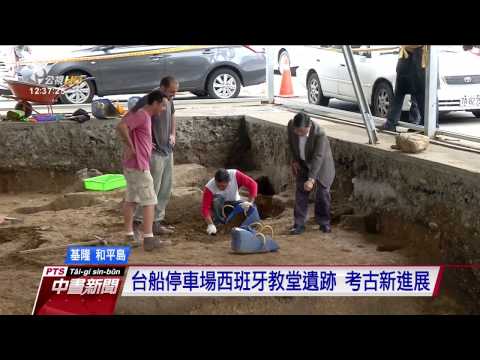
Academia Sinica along with a Spanish archeology team have recently made a major breakthrough in their ongoing joint excavation project. Four skeletal remains were discovered in the foundations of a Spanish chapel on the Heping Island in Keelung. After DNA testing, it was confirmed that four of them were European.
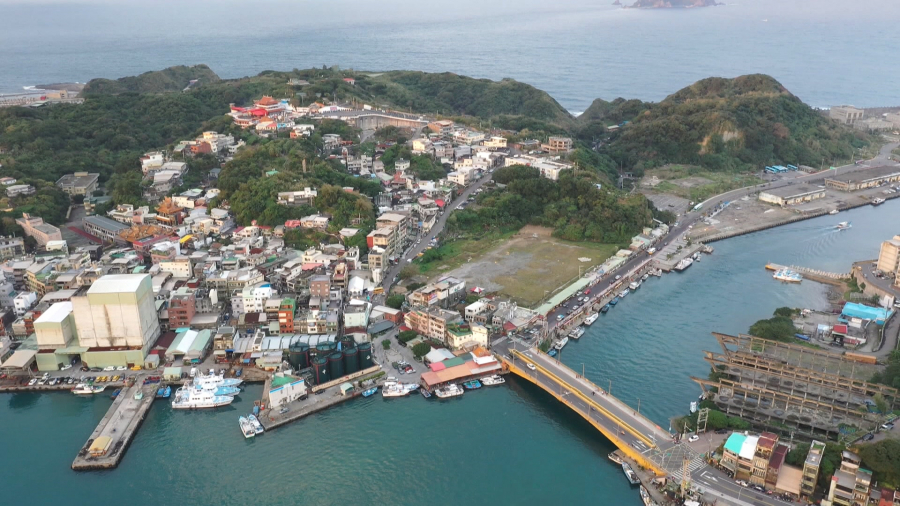
Keelung's Heping Island was part of the Spanish colony during the 17th century. Academia Sinica and a Spanish archeology team together have been working on a joint excavation project there for the past four years. Now they finally made a major breakthrough on the foundation of a Spanish chapel.
==TSANG CHENG-HWA, Director, Institute of History and Philology at Academia Sinica==
We found a few more tombs beside the chapel. We found one last year and sent it to Europe to perform DNA tests. They have already confirmed that it is European, which can be an indication that the Spanish people would bury the dead beside the chapel at that time.
The archeology team found 4 skeletal remains about 2 meters down in a layer of rock which used to be the courtyard of the church. The method of the burial suggests that the skeletons may be European. The bodies were laid on their back with hands folded over the chest. After conducting the DNA tests, the remains were confirmed to be European, with 400 years of history.
==TSANG CHENG-HWA, Director, Institute of History and Philology at Academia Sinica==
Ever since prehistoric era up to historic times, basically, you rarely see this kind of position where the hands are folded across the chest. Therefore, from the positioning of the body, you can speculate that this burial is related to religion. It is the funeral position for Catholics or Christianity.
According to Tsang Cheng-hwa, Heping Island was occupied by Spain for less than 20 years. It is believed that the Europeans interred their dead in the churchyard at the time. Aside from this recent discovery, aboriginal children's skeletal remains have also been found nearby, indicating that the aboriginal people's lives might have been influenced by European religion. This archeology breakthrough has once again, revealed new findings on the history of Keelung's Heping Island.
TRANSLATED BY:STELLA TU
基隆的和平島,曾經在17世紀時被西班牙人短暫占領。中研院和西班牙的考古團隊,最近在西班牙教堂遺跡上,發現4具遺骨,經過DNA檢驗,證實是歐洲人。
考古團隊,小心翼翼、仔細挖掘,深怕錯過任何細節。中研院和西班牙考古團隊,在基隆和平島,進行兩年一次的考古研究計劃,歷經四年時間,這回在台船停車場的西班牙教堂遺跡上,有了重大進展。
==中研院歷史語言研究所代理所長 臧振華==
在這個教堂的旁邊
我們也就發現了 好幾具的墓葬
我們去年發現了一具
我們送到歐洲
去做一些DNA的檢測
我們可以證明
他的確是一個歐洲人
所以代表可能是 當時西班牙人
在這邊死亡了以後
就埋在他的教堂旁邊
大約在遺跡深度2米的地方,考古團隊發現4具遺骨,而且遺骨埋葬方式很特別,是雙手交叉在胸前的姿勢,經由DNA鑑定,證實這是歐洲人,大約有400年歷史。
==中研院歷史語言研究所代理所長 臧振華==
從史前時代 一直到歷史時代
大概基本上面
大概沒有 很少這樣子
把手握著 對握
放在胸前的這種姿勢
所以他是一個很特殊的
所以從那個姿勢上面來推測
他這個可能和宗教是有關係的
可能是一個天主教徒
或者基督教徒 他們在祈禱的
這樣一種姿勢
臧振華說明,西班牙占據和平島,大約20年不到,當時歐洲人有將遺體葬在教堂庭院的習慣。另外先前,在附近,也曾挖掘到當地原住民小孩遺骨,推測當時在地原住民,生活有受到傳教影響。這回的考古新突破,為基隆和平島歷史,再添重要意義。
記者 曹晏郡 吳其昌 基隆報導