Educators, Parents, MOE Discuss "Quasi-Public System" Policy|教育部邀準公幼業者對談 錄節目談心得


加入公視會員,
按讚收藏你關注的報導
發布時間:
更新時間:
The government's "quasi-public system" policy for private kindergartens took effect in 2018. In 2019, the policy was expanded to kindergartens in the six special municipalities. As this policy has been heavily questioned and criticized since it was announced, the Ministry of Education arranged for educators and parents to speak with Education Minister Pan Wen-chung ahead of the start of the new school year to dispel any doubts.
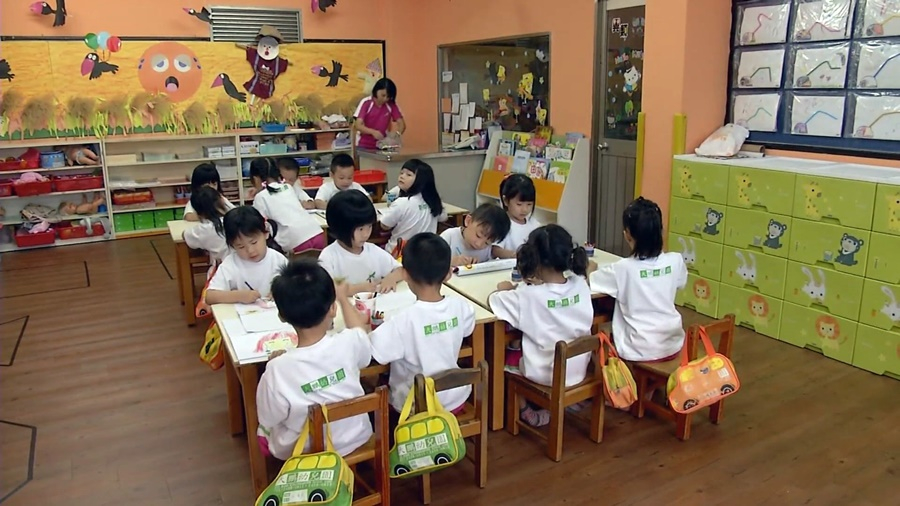
The camera begins filming. Educators from kindergartens all around Taiwan and parents have come here to speak freely with Education Minister Pan Wen-chung about the "quasi-public system" policy. The policy is aimed at improving access to childcare facilities at affordable rates, so parents will be able to send their children to private kindergartens that have agreed to be subsidized by the government for only NT$4,500 a month. Tainan Annan Kindergarten was the first private kindergarten in the city to sign a contract with the government. The principal explained that it didn't join because it had problems recruiting students.
Our kindergarten has 270 spaces, and there is a waiting list. We weren't a school that had problem recruiting students.
We aren't afraid of not having students, we're afraid that children won't be able to get in.
Principals in attendance said private kindergartens need to meet certain standards to become "quasi-public" kindergartens, and not all of them are eligible. Meanwhile, parents said the policy has lightened their economic burden and upgraded the quality of education.
I used to pay paid NT$10,000 in tuition. Now, I only have to pay NT$4,500.
The school has an area of 1,000 pings, so this was my first consideration. There are more than 100 people on the waiting list, and it will take two years to get in.
Ministry of Education statistics show the number of private kindergartens that have signed contracts with the government for the 2019 academic year is 1,063. They offer a total of 110,000 spaces. If one of these kindergartens is found to be using its "quasi-public" kindergarten status to request additional fees or has violated regulations, then local governments will mandate improvements within a certain period of time. If the kindergarten fails to improve, it will be removed from the ranks of "quasi-public kindergartens."
攝影機開錄,來自北中南東的準公幼業者和家長代表們,和教育部長潘文忠暢談參加準公共機制的心得。台南市安南幼兒園是台南第一個加入的私幼,園長一開頭就澄清,不是因為招生差才加入。
台南安南幼兒園園長 劉智燕表示:「因為我在我的招生裡面,就是我們幼兒園有270個名額,都還要排隊才能進來,所以並不是招生不好的學校。」
宜蘭狄士尼幼兒園園長 林靜惠表示:「我們不怕沒有小孩,我們是怕小孩進不來。」
在場的園長們認為,私幼要成為準公幼,必須符合相關規定,不是想加入就加入,家長則認為,孩子唸的私幼加入準公共化,經濟負擔減輕,品質也有提升。
桃園平鎮居民 王小姐表示:「以前要繳一萬多的費用,我現在只要繳四千五百塊。」
台南安南區居民 劉奶奶表示:「他們的占坪有一千多坪,所以這是我選擇的首選,他們現在有一百多個人要排兩年,才能進得來這個學校。」
教育部統計,108學年度已簽約的準公幼共有1,063園,提供超過11萬個就學名額,假若有幼兒園打著準公共化名號,要求額外收費或違反規定,各地方政府要求限期改善後未改善,將移除準公幼行列。