Hualien District Court Launches Lay Judge Initiative|花蓮地院辦國民法官選任 50人報名參加


加入公視會員,
按讚收藏你關注的報導
發布時間:
更新時間:
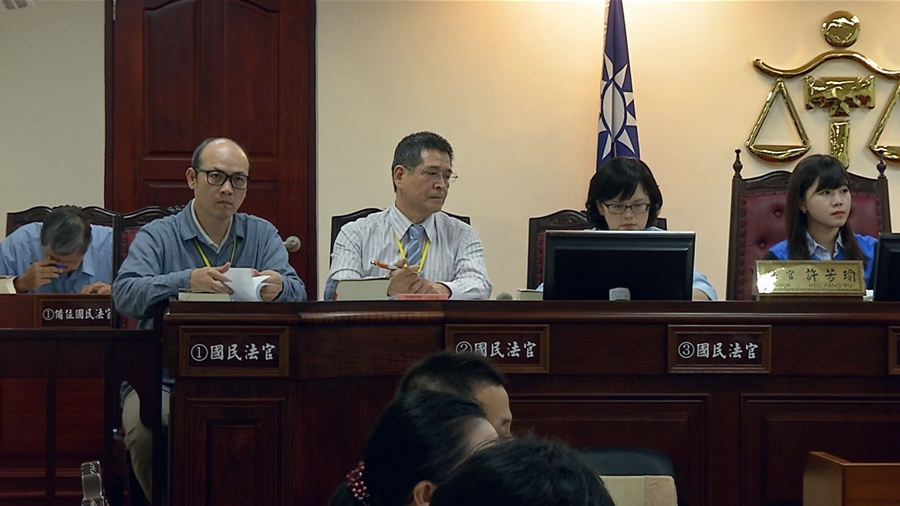
The Hualien District Court recently selected eight lay judges out of 50 applicants for an initiative to encourage public participation in the legal process. The lay judges are expected to narrow the gap between courts of law and the actual circumstances of the people and offer different perspectives. They will assist permanent judges in determining the most appropriate sentences.
In recent years, there have been numerous cases of a disparity between the decisions of judges in important criminal cases and the expectations of the public. The Ministry of Justice therefore decided to promote citizen participation in criminal trials by establishing a lay judge program in local courts. In Hualien, 50 residents applied to become lay judges for the Hualien District Court. The court selected six lay judges and two reserve lay judges.
We are using this diverse lay judge selection to make the system more in touch with the people, allow our trials to live up to expectations, help people understand the law, and develop their confidence in the legal system.
Mr. Tsao was one of the persons selected to become a lay judge. He is a retired military veteran who is interested in the judicial process. He therefore applied to become a lay judge, and he hopes to bring his military experience to the court of law and offer judges a different perspective.
Judges may have started working in courts as soon as they graduated, and perhaps they have never worked other jobs. Outsiders like us, like the ones belonging to the "four classes," have different life experiences and perspectives than the judges.
Under Ministry of Justice regulations, lay judges must be Republic of China nationals aged 23 or above and residents of the administrative region of the court for at least four months. They must also be high school or vocational school graduates, and not have criminal records or a law-related background. Meanwhile, the public also has some misgivings over the qualities and integrity of lay judges.
Lay judges must take an oath. Let's say one violates the duties of the position today. In this case, the lay judge is a government functionary just like a permanent judge, which means the lay judge will also be subject to serious legal punishment.
The ministry says lay judges will participate in cases where the sentence sought is seven years or above and murder cases. They will not participate in juvenile criminal cases and drug cases. Lay judges will be paid NT$ 2,500 as an honorarium on trial days.
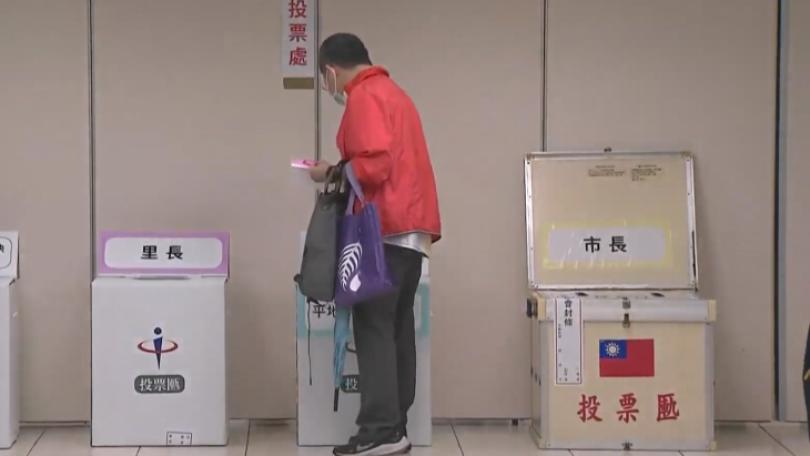
因近年來國內重大刑案的法官判決常與人民期待有很大落差,法務部在各縣市辦理國民參與刑事審判模擬法庭選任,花蓮地方法院這次就有50人報名參加,結果正取六位、備取兩位。
花蓮地方法院院長 劉嶽承表示:「我們是藉由這樣一個多元化的國民法官的選拔,更接地氣的這樣的一個制度的演練,讓我們的審判能更貼近民眾,讓民眾能更了解司法,進而信任司法。」
像這位被正選上的國民法官曹先生,軍職退伍的他因為對司法有著極大的興趣與期待,退伍後特別來報名參加國民法官遴選,他想要將自己軍中的見聞帶入法庭,提供法官不同的看法。
國民法官 曹俊德表示:「法官可能從學校畢業,就一直都在法院裡面工作,那可能他沒有從事過其他的職務,那像我們在外面的人,可能一些士農工商的人都有,那他生活層面,跟他看得到的事情角度,可能都不一樣。」
而根據法務部規定,國民法官資格必須為中華民國滿23歲以上,且在該地方法院轄區內居住4個月以上之國民,必須高中職畢,不能有案底或是相關法律背景,外界也憂心國民法官的素質與操守。
律師 林國泰表示:「國民法官的職務他必須要宣示,那如果說他今天有違背職務的話,他其實也是跟職業法官,是一樣的公務人員身分,也是要受到非常嚴重的法律懲處。」
法務部強調,國民法官適合參審本刑七年以上有期徒刑案件,故意犯罪因而致人於死的案件,但不包括少年刑事案件與毒品危害條例,參與審判當天則是可以領取2500元車馬費。