Consumer Electronic Health Tax Proposed to Address Myopia|兒童近視嚴重 20年後恐50萬人失明


加入公視會員,
按讚收藏你關注的報導
發布時間:
更新時間:
Myopia in children is becoming more serious. According to estimates, the number of people at risk of becoming blind in 20 years' time is 500,000. This could become an issue of national security. Several Control Yuan members are therefore calling on the Ministry of Health and Welfare and Ministry of Education to find a solution, and suggested levying a "consumer electronic health tax" on manufacturers to serve as a source of funding for children's eye care expenditures.
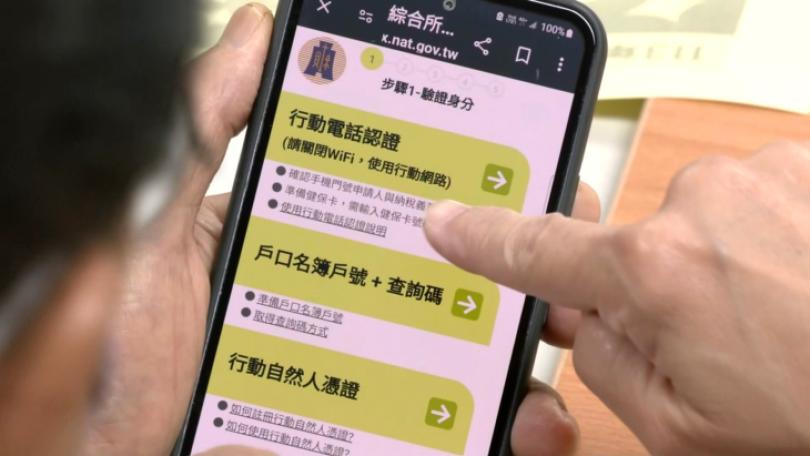
Smartphones can be found everywhere nowadays, and many adults have become addicted. Many children also spend a large portion of their day staring at screens, watching movies or playing games. As a result, myopia has become more prevalent in children. Several Control Yuan members recently asked the Ministry of Health and Welfare and Ministry of Education to address this problem. They suggested levying a "consumer electronic health tax" on manufacturers much like the tobacco tax. This money will be used to fund children's eye care expenditures.
There are so many users, so to respond to social welfare, is it possible to provide this service in the field of consumer electronics?
The results of a study conducted by the Ministry of Health and Welfare, Ministry of Education, and The Ophthalmological Society of Taiwan found the average person spends 9.4 hours a day on a smartphone. Moreover, over 35 percent of high school seniors suffer from high myopia. It is estimated that the number of people at risk of becoming blind in 20 years' time from macular degeneration, glaucoma, and other eye conditions is 500,000 to 550,000.
There is a strong link between high myopia and eye diseases and conditions that cause blindness. People with high myopia are over 10 times more likely to develop cataracts, glaucoma, and retinal degeneration than people without, and their risk of becoming blind is also 10 times that of the average person.
The Ministry of Health and Welfare says it asked consumer product manufacturers to add warning labels to packaging in 2016. The labels suggested a reasonable daily screen time limit and warned against giving screen time to children under the age of two. The ministry adds that there is not yet a global precedent for a "consumer electronic health tax" and taxation involves the Ministry of Finance and ministries, so it can only monitor relevant global specifications.
智慧型手機越來越普及,不僅大人常滑手機,部分小孩也每天緊盯螢幕看影片或玩手機遊戲,造成兒童近視問題嚴重。有監委要求衛福部與教育部檢討改進,甚至建議比照菸捐方式,對相關廠商開徵「3C健康捐」,以作為兒童視力保健的經費來源。
監察委員 江綺雯表示:「使用者那麼多,那麼在回應社會公益方面,在3C產品的領域裡頭,是不是也可以有這樣子的服務?」
根據衛福部、教育部與眼科醫學會調查研究發現,國人每人每天使用手機時間為9.4小時,而且國內高三學生近視度數,超過五百度、屬於高度近視者達三成五,推估20年後,因黃斑部病變、青光眼等面臨失明風險人口,可能約50到55萬人。
北市聯醫中興院區醫務長 蔡景耀表示:「高度近視,它跟致盲的眼睛疾病非常有相關聯,如果一個人有高度近視的話,他得白內障、青光眼,還有視網膜病變,都是正常人的十倍以上,這樣子讓他得到失明的機會,也比正常人提高十倍。」
衛福部表示,從105年起,已要求3C產品業者,要在產品包裝加註警語,提醒兒少每天合理使用時間,也不要讓2歲以下嬰幼兒接觸電子螢幕等;至於課徵「3C健康捐」,因涉及財政部等跨部會,且全世界尚無先例,會密切注意全球對此相關規範。