RCEP Expected to Batter Taiwan's Exports|RCEP簽署 學者:台灣產品出口將受衝擊


加入公視會員,
按讚收藏你關注的報導
發布時間:
更新時間:
The RCEP was signed on Nov. 15 by 15 signatories. Tariff reductions are expected to be completed in two years' time. Experts say the impact on Taiwan will be significant in 2030 if it is also unable to join the CPTPP .
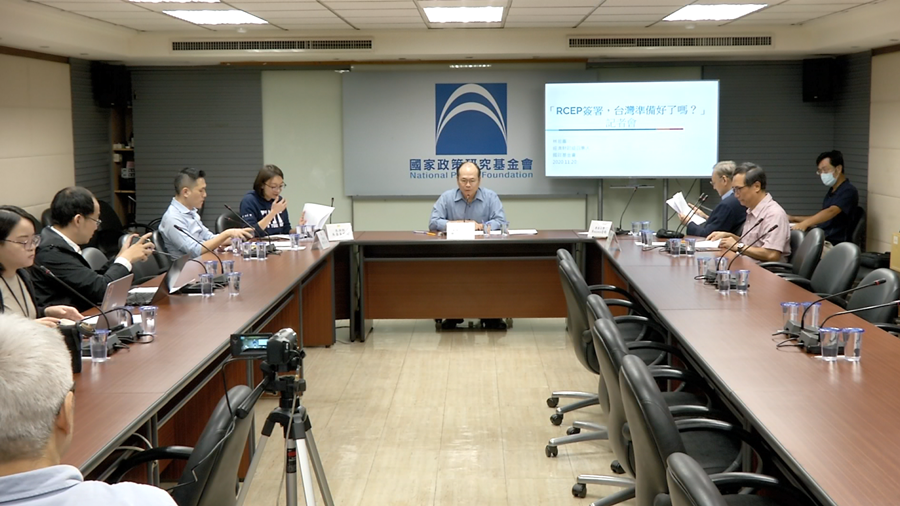
Fifteen countries signed the Regional Comprehensive Economic Partnership on Nov. 15. The free trade agreement is greatly expected to impact Taiwan, even though Economic Affairs Minister Wang Mei-hua claims the impact will be small. The National Policy Foundation asked former National Development Council Minister and current National Chengchi University economics professor Lin Chu-chia to give his opinion. He said Taiwan will begin feeling the impact in 2030 if it is also unable to join the Comprehensive and Progressive Agreement for Trans-Pacific Partnership. If Taiwan is excluded from both agreements, then its export value will fall by US$8 billion and the GDP will decline by 0.4 percent.
The RCEP has convenient customs clearance. This allows fresh foods and products to quickly move through customs, while other products have to clear customs within 48 hours. If it takes Taiwan's exported products three to four to five days to clear customs, then how are we going to form a supply chain with Southeast Asian countries?
I don't think it's possible for China to dominate the operations of the RCEP. I don't think it will be that easy for Japan, New Zealand, and Australia to seek to militarily contain China in their Indo-Pacific strategies and then cooperate economically.
Wang said Taiwan's membership in the RCEP is contingent on it recognizing the 1992 Consensus and one country, two systems. Scholars say one country, two systems is not a choice and the government should focus on mending cross-strait relations. Moreover, China could very well end up opposing Taiwan's inclusion in the CPTPP. Wang said it's too early now to even think about joining.
It's still too early (to think about joining the CPTPP). We will of course tell everyone when we can.
Scholars add Taiwan has consistently faced opposition when joining international trade organizations, but still managed to make progress. They said Taiwan currently has two options. One is the Japan-led CPTPP, but China may also join. The other is a free trade agreement with the U.S. to deepen industrial cooperation. However, what is even more important is accelerating industry transformation to mitigate the impact of zero tariffs.
RCEP正式簽署,對台衝擊,真的像經濟部長王美花所說的,影響不大嗎?國家政策研究基金會,找來前國發會主委,目前是政治大學經濟系教授的林祖嘉,他說對台衝擊,將在2030年浮現,但有個前提,就是台灣也無法加入CPTPP,在這個雙重打擊下,台灣出口金額估計將衰退80億美金,經濟成長率恐衰退0.4個百分比。
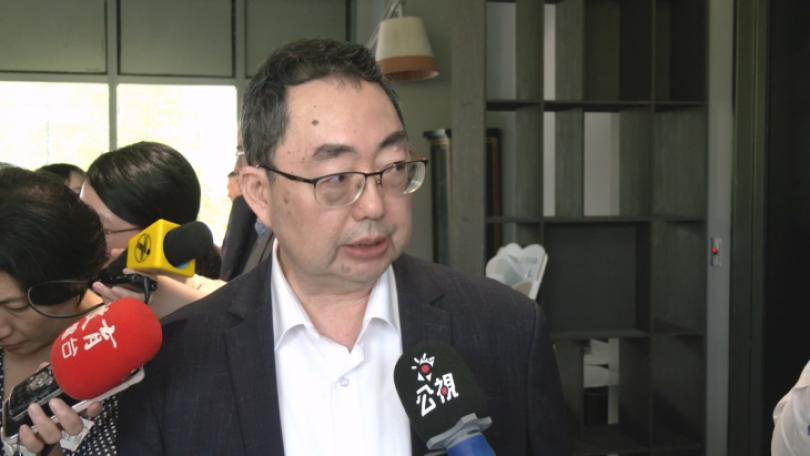
政治大學經濟系教授 林祖嘉表示:「在RCEP裡面,他們有便利通關這件事情,生鮮產品可以很快的移動,然後其他商品在48小時之內,一定要通關。那未來如果台灣的商品進去,拖到三天、四天、五天以上,那我們怎樣去跟東南亞國家,形成供應鏈。」
台大經濟系退休教授 林向愷表示:「這個RCEP圓滿的運作,我想不可能這個中國主導。然後日本、紐西蘭、澳大利亞,他在透過印太的戰略,要圍堵中國,在軍事上圍堵中國,我想經濟上要合作,不會那麼順利。」
而對於,日前經濟部長王美花表示,加入RCEP,必須在同意"九二共識"、"一國兩制",這樣說法。學者反駁該修補的是"兩岸關係","一國兩制"不是選項。至於未來想加入CPTPP,恐怕也會面臨中國的反對,對於何時計畫申請加入,經濟部長王美花低調表示,還不是成熟階段。
經濟部長 王美花表示:「還不成熟啦!(加入CPTPP) 有什麼樣的進展,可以說的時候,我們就會一定會跟大家做說明。」
學者表示,過去台灣加入國際經貿組織,長期就受到打壓,還是撐了過來,目前有兩個選項,就是日本主導CPTPP,但中國不排除也會爭取加入。另外,就是尋求與美國簽訂BTA,深化產業合作,但最重要的還是產業轉型升級,才能降低零關稅帶來的產業衝擊。