Water Treatment Plant Illegally Discharging Wastewater?|鳳山汙水廠趁雨偷排? 水利局:通報繞流排放


加入公視會員,
按讚收藏你關注的報導
發布時間:
更新時間:
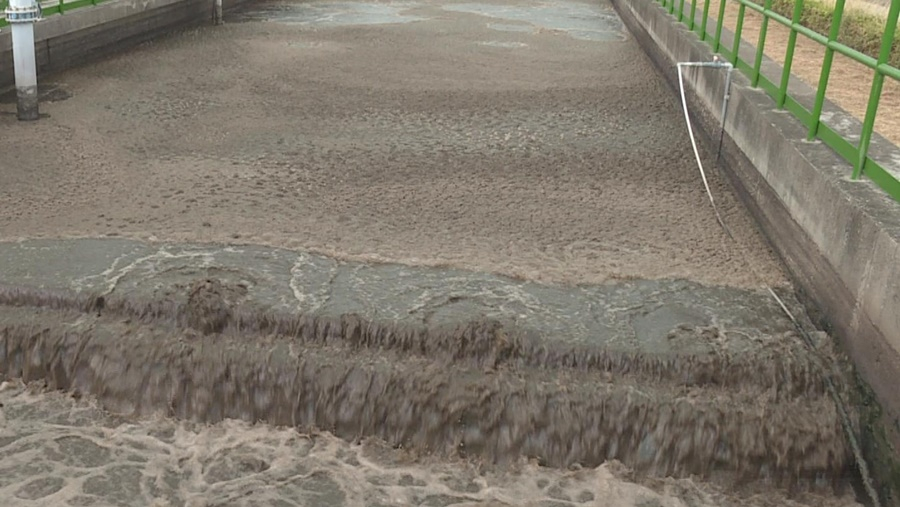
Aside from the greenery, the rivers should also be well protected. Several Kaohsiung City councilors recently discovered that Fengshan Wastewater Treatment Plant was dumping untreated wastewater directly into Fengshan River during a heavy rain storm. They suspect the plant was using the heavy rain as cover up for this illegal behavior.
Black-colored wastewater gushes out of the pipe into Fengshan River, in stark contrast with the yellow-colored river water. This water was discharged by the Fengshan Wastewater Treatment Plant during recent heavy rain. It is suspected of using heavy rain to cover up illegal discharges of wastewater.
It's not possible that it (wastewater) could continue flowing around, and especially with sedimented mud. We think this is very strange. They may have used legal applications to cover up illegal behavior of discharging mud and other unwanted things along with rainwater.
Kaohsiung City councilors do not believe this was an isolated incident, as they have received numerous reports from residents regarding this issue. The city's Water Resources Bureau explains heavy rain began falling at 8 a.m. on Aug. 13, and the inflow rate exceeded the plant's designed capacity by more than double. According to law, it must notify the Environmental Protection Bureau three hours in advance before it can carry out emergency discharges to ensure plant facilities won't be flooded and damaged.
In accordance with the Water Resources Bureau explanation, this part needs a period of approximately 14 days until the restoration is completed. This will affect all the wastewater collected from the public by water treatment plants for Fengshan River, and create collection and treatment issues.
Under the Water Pollution Control Act, emergency discharges by rescue personnel or treatment plants are not penalized. However, the public was not happy to see black-colored wastewater and the environment being polluted. The Water Resources Bureau says its preliminary conclusion is that there was no human error, and it has already asked the contractor to reexamine its procedures.