FIRST ORGANIC AGRICULTURE DEMONSTRATION VILLAGE|羅山有機示範村 青年返鄉共尋出路


加入公視會員,
按讚收藏你關注的報導
發布時間:
更新時間:
Loshan Village of Fuli Township in Hualien was Taiwan's first demo village of organic agriculture. Last year a group of young men returned to their home tribe and formed an agriculture co-op and sponsored a grassland concert to attract tourists. They have successfully developed economic and blessing industry for their tribes.
Saturday morning, Cilamitay Tribe is filled with children's joy and laughter. They gather at an abandoned school every week, and are under training as local guides.
==Guide==
I'm going to listen how you guide us. What is this? Oh it's taro leaf. Do this way from inside. We can use it to scoop water, so I can drink.
==LAMERU KACAW, Deputy Director of Fulliang Rice Co-op.==
It has an objective of teaching skills and cultures from many tribes. With the knowledge, he or she can talk and utilize these knowledge and skills.
Tribal development needs money. Lameru hopes to restore local ecological environment, manage an unique tribal brand and take care of tribes. Last year he co-oped with young farmers, reached the goal of mutual helps and benefits.
==CHUNG YU-EN, Director of Fulliang Rice Co-op.==
Farmers can fully participate with a sense of achievement and being taken care by other farmers.
The organic industry at Fuli Township has many advantages, it has water terrace. Also, the Loshan Village was the first demonstration village for organic agriculture in 2002. A decade has gone by, the village is facing the problem of aging farmers. Chung Yu-en and Lameru Kacaw hope using co-op and solve the problem. Last year they had a concert over a grassland, attracted tourists to visit Fuli.
==CHUNG, YU-EN, Director of Fulliang Rice Co-op.==
We gathered together not only to produce or to sell, maybe we can set up an co-op and take care our home tribes and members.
Cooperation and sharing made tribes having higher sales and revenues. They harvest and sell directly to consumers. They allocated partial profits for community development. After all, agriculture is not a bad business at all.
TRANSLATED BY:ANTHONY LIN
星期六早上,花蓮海岸山脈「吉拉米代」部落傳來孩子歡樂的歌聲,每個禮拜,他們都會聚在廢棄的小學裡,接受小小解說員的培訓。
==解說員==
等喔 我要聽一聽你怎麼去解說
請問一下這個是什麼
喔姑婆芋喔
從裡面往這邊這樣
可以看喔可以舀水
好拿過來這邊
有沒有看到
這個水是這樣然後我可以喝
==富糧稻米合作社副理事長 藍姆路‧卡造==
它其實有一個比較目標性的是
我們希望去教他
很多部落的技能 部落的文化
部落的知識
未來他可以去說這些
他學會的這些知識跟技能
部落發展需要財源,藍姆路希望以回復地方生態,照顧族人的需求為目的,經營部落的自有品牌。去年他和富里的年輕農民組織合作社,要以互助、共享發揮小農經濟的價值。
==富糧稻米合作社理事長 鍾雨恩==
農民可以有充足地參與
然後可以在其中得到
他所謂的工作成就 甚至於說
他可以在這個組織被照顧
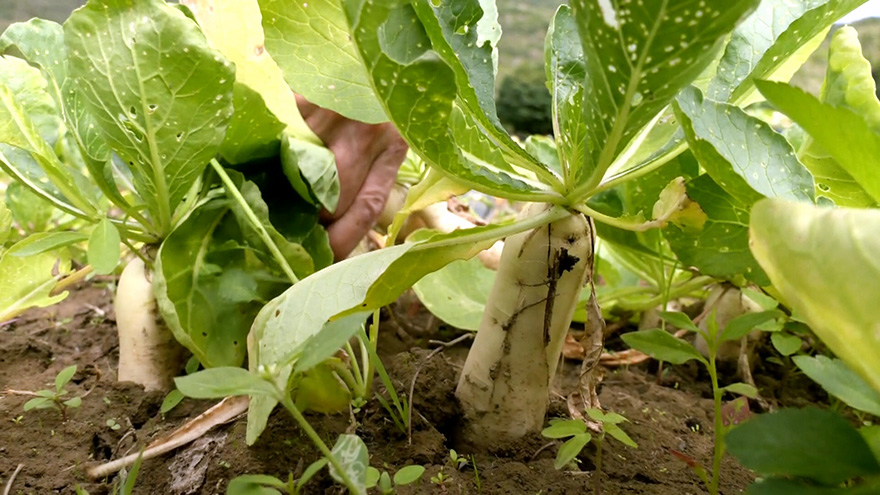
其實富里的有機產業得天獨厚,除了吉拉米代的水梯田,還有一處同樣也是山林環抱,非常美麗的羅山村,民國91年它被農委會選為第一個有機示範村。不過,十幾年過去,有機村還是抵擋不了農村人口快速老化的困境。鍾雨恩和藍姆路期望以合作經濟的方式,解決農村問題。去年,他們舉辦草地音樂會,成功地將遊客吸引到富里。
==富糧稻米合作社理事長 鍾雨恩==
就是說原來大家聚在一起
不是只有生產 或是一起銷售
或許我們還可以發揮合作社
可以去照顧 照顧自己的家鄉
照顧自己的社員
合作共享,像藍姆路的族人之前種有機米,收入一直不好,現在他們可以透過合作社的平台自產、自銷,再用部落米的盈餘來做社區工作,發展在地經濟,共創地方幸福產業,農村也是一門好生意。
記者 張筱瑩 周明文 花蓮報導
選舉不只在新聞裡,也在你的生活裡【2026九合一大選專題】