EU-JAPAN EPA BRINGS OPTIMISM, BUT OBSTACLES REMAIN|日歐協議簽經濟夥伴協定 部分產品零關稅


加入公視會員,
按讚收藏你關注的報導
發布時間:
更新時間:
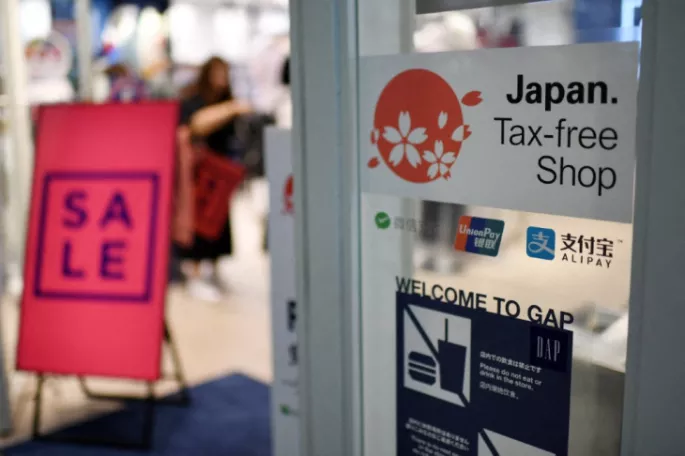
Despite backlash among certain population segments, governments worldwide are still keen on globalization and trade liberalization. Japan and the European Union on July 5th signed an agreement to gradually abolish tariffs for agricultural and automobile products. Both sides are very happy with the deal they struck, but in the private sector, European businesses say that, many trade barriers put up by Japan are non-tariff, so there is still some way to go before the two sides can really trade freely and fairly.
French cattle farm workers are busy collecting milk, ready to use to produce cheese. European cheese is famous globally as is wine, and especially in Japan. With the new July 5 EPA, Japan will immediately withdraw import tariffs on European wine, and some cheeses, such as mature and soft cheeses. Over 15 years, the tariffs on these will be reduced to zero. As for Japan's main products sold to the EU, the EU will revoke import tariffs within seven years, especially on vehicles and auto components. Japanese wine, green tea and other agricultural products, will see tariffs immediately reduced to zero.
==KISHIDA FUMIO Japan's Foreign Affairs Minister==
This is the first successful economic cooperation agreement between these big advanced economies, and can become an international model. It takes into account comprehensive, high-level trade balance.
The European business community pointed out that in the wake of the US deciding to withdraw from the TPP, renegotiation of FTAs, particularly with these two large economies reaching an agreement, issues a strong political message and shows that FTAs are still the way to go for economic and trade interests. However, the EU pointed out that for truly free trade between Japan and the EU to be implemented still needs a lot of effort.
==LUISA SANTOS Dir., Int'l Relations at BusinessEurope==
If we remove (import) tariffs, we must also determine our cars can be exported to Japan, and will no longer encounter the existing tariff barriers. Another focus is on public procurement. We asked the Japanese side to have more transparent rules, so that we can move more easily into the Japanese market.
Whether Japan and Europe can really lift the tariff barriers, is key to FTA implementation. High-profile celebration on reaching an agreement, has an international political message. However, the world will be watching to see if it can be really fully implemented.
TRANSLATED BY:CLARE LEAR
法國養牛場的工作人員正忙著收集牛乳,準備用來當製作起司的重要原料。歐洲的起司全球知名,和紅酒一樣,在日本相當受到喜愛。根據5號達成的日歐EPA架構協議,日本將立即撤銷歐洲紅酒的進口關稅,起司的部份,像是奶油起司這類熟成時間較長、質地較軟的起司,在一定的範圍內,關稅在15年內降為零。
至於日本銷往歐盟的大宗產品,特別是汽車和汽車零件,歐盟將在7年內撤銷進口關稅,而日本酒和綠茶等農產品,關稅則是立即降為零關稅。
==日本外務大臣 岸田文雄==
這是大的先進經濟體之間,第一個成功的經濟合作協議,足以成為世界的模範。它兼顧了全面性、高水準與貿易平衡。
歐洲商界則指出,在美國決定退出泛太平洋夥伴關係TPP協議、重新談判FTA,以及G20高峰會召開前夕,日本、歐盟這兩大經濟體達成協議,除了經貿利益之外,也發出強力的政治訊息,向世界宣告,FTA還是一條有希望的路。
不過歐盟方面也指出,與日本之間的自由貿易要兼顧到公平,還有努力的空間。
==歐盟商業聯合會代表 路易莎桑托斯==
如果我們撤除(進口)關稅,也要確定我們的汽車銷日,不會再遇到現有的非關稅障礙。另一個重點是公共採購。我們要求日方有更透明的規則,讓我方可以更方便地打入日本市場。
日歐雙方能不能真的解除關稅和非關稅障礙,是FTA能不能落實的重要關鍵。高調慶祝達成協議,的確在國際政治上有相當的宣示效果。但能不能真正做到,全世界也都在看。
記者徐家仁 報導