COA TO RELEASE DIOXIN REPORT ON APR.28|戴奧辛雞蛋檢驗結果 農委會週五公布


加入公視會員,
按讚收藏你關注的報導
發布時間:
更新時間:
A research team from National Cheng Kung University has compared the chemical fingerprint of the dioxin in contaminated eggs. They suspect that it comes from some type of ash, but so far cannot determine if this is from the environment or chicken feedstock. The Council of Agriculture will publish the results of its investigation by April 28.
Dioxin contamination in eggs in six egg factories is under investigation. A member of the investigating team, Professor Lee Chun-chang of National Cheng Kung University says that comparison of the chemical fingerprint of the substance shows that it is 75 percent tetrachlorofuran, which initially points to fly ash or bottom slag, possibly from factory emissions, or from burning electrical cable in the open air. Most Taiwan factory chickens are caged on elevated shelves, so whether the pollution came from environmental sources or from feedstuff and its additives, is yet to be determined.
== LEE CHUN-CHANG Prof. National Cheng Kung University==
We can't yet rule out that it is from environmental pollution, as it could be from contaminated feedstuff. We will ask the EPA to conduct air tests, and as they use groundwater sources there, there is the possibility that ash has entered the water source and contaminated it.
Twelve years ago, dioxin pollution was discovered in duck eggs from Changhua. In that incident, the ducks were raised outside and were indirect contact with soil and water. It was strongly suspected that the pollution source was from the nearby Taiwan Steel Union company which collects and processes electric-arc furnace dust, a waste by-product of steel manufacture. Professor Lee says in the recent case the make-up of the dioxin is different from that case. Some people suspect that the feedstuff given to the chickens is responsible, but the poultry industry has no clear response to that.
== MR. HUNG factory egg farmer==
The testing bodies are re-testing so we can't comment that it is necessarily feed stock, the company we use is on the stock market, so their quality control management is very good.
It is possible that the feedstock contains additives. The COA will publish its report on Apr. 28. End-testing for dioxin is very expensive, around NT$25,000 and a heavy burden for egg factory owners. Thus, analysts recommend that the government follows the European Union example and set standards for residual dioxin in feedstock and have feedstock producers test the product properly before sale. However, environmental groups urge not to rush to blame feedstock manufacturers, and call on the EPA to thoroughly investigate the surrounding factories and find if there is a sources of environmental pollution causing the dioxin consumed by chickens.
TRANSLATED BY:CLARE LEAR
國內首度驗出高架飼養的雞蛋、遭戴奧辛汙染,成大研究團隊比對戴奧辛指紋,懷疑是來自於燃燒後所產生的灰渣,但到底是藉由環境還是飼料進入雞隻體內,現在仍無法研判。面對外界高度懷疑,汙染源可能是飼料,農委會週五將公布檢驗結果,不過養雞業者對這樣的推論有所保留。
雞蛋檢驗出戴奧辛,相關單位持續追查六家可能受汙染的蛋雞場,但大家最想知道,戴奧辛究竟從哪裡來?參與研究的成大教授李俊璋表示,比對戴奧辛指紋,掌握四氯呋喃佔高達75%,初步研判來自於摻有飛灰或底渣的「灰渣」,有可能是工廠排放、或露天燃燒電纜產生。而台灣蛋雞大多採高架飼養,究竟汙染途徑是來自環境、還是飼料與添加物,目前仍無法排除任何可能性。
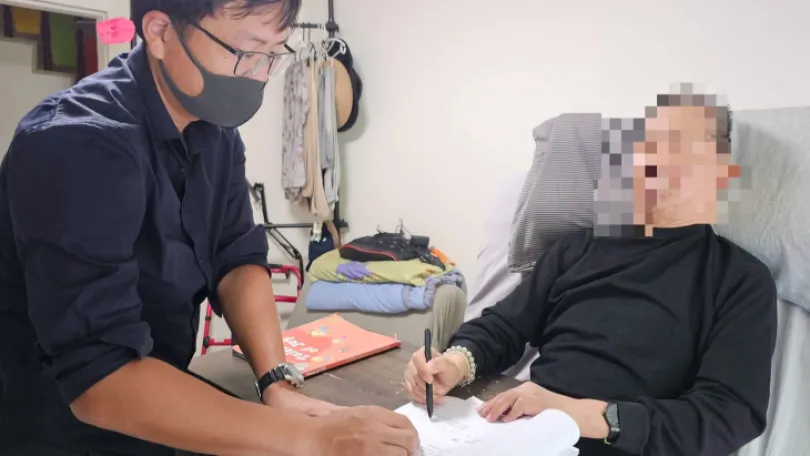
==成大環境醫學所教授 李俊璋==
我們不排除說
還是有可能環境汙染所造成的
也有可能是飼料來的
環境汙染的部份
就請環保署他們
由環境檢驗所去採空氣
還有因為那裡用地下水
所以還有水 還有落塵
也就是說如果有汙染源
飄到這裡的話
它其實會有落塵
12年前,彰化就發生過戴奧辛毒鴨蛋事件,當時鴨子養在室外,直接接觸土壤跟水源,被高度懷疑是附近處理集塵灰的台灣鋼聯公司所排放出的汙染導致,不過,當年也參與研究的李俊璋強調,這次戴奧辛指紋與12年前的不一樣。也有人把矛頭指向飼料本身,但有養雞業者對這樣的推論有所保留。
== 養雞業者 洪先生==
現在有關單位他還在複驗
所以不要先下結論說一定是飼料
大家都已經股票上市公司
他們在(品管)這一方面
肯定會做得很完整
飼料到底有沒有問題?有無其他添加物?農委會預計本週五將會公布檢驗結果,學者表示,後端檢驗戴奧辛非常昂貴,一次要兩萬五千元,對農民是沉重負擔,建議政府仿效歐盟,訂出飼料戴奧辛殘留標準,由飼料廠上市前做好檢測。但環保團體呼籲,不要先急著把責任推給飼料,要求環保署應清查周邊工廠、掌握汙染現況,不該太快下結論。
記者 吳雅瑜 陳信隆 台北報導