ALLEDGED LACK OF TRANSPARENCY IN NATIONAL AFFAIRS CONFERENCE|司改國是會議 首日聚焦大法官會議改革


加入公視會員,
按讚收藏你關注的報導
發布時間:
更新時間:
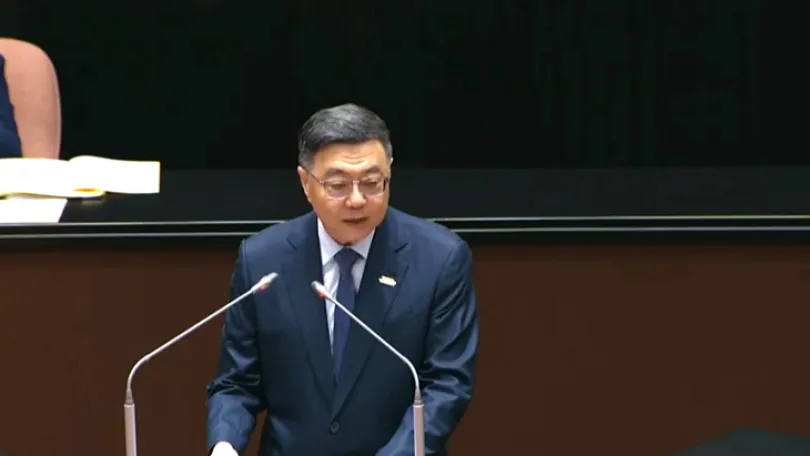
The first breakout session of the national affairs conference on judicial reform was held yesterday. The discussions included the reform on the grand justice conference and future reforms that the Judicial Yuan need to propose. However, civil groups criticized that the conference was held under the table as it was not streamed online nor was it open to sit-ins. They also criticized that the discussions were always the same and that the reform was not genuine.
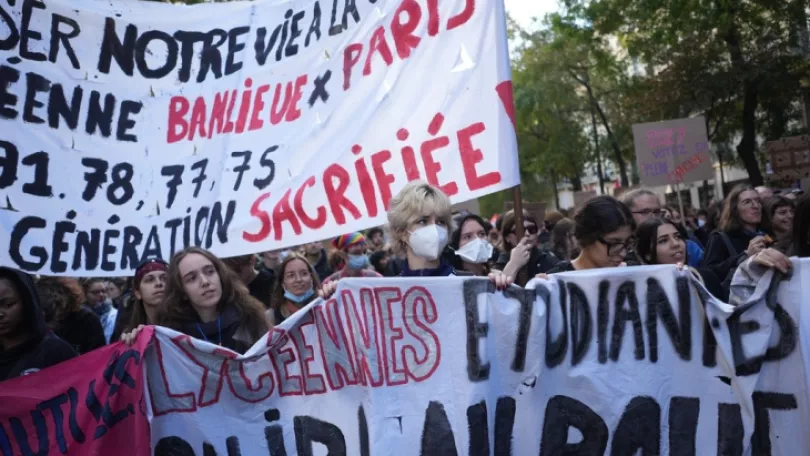
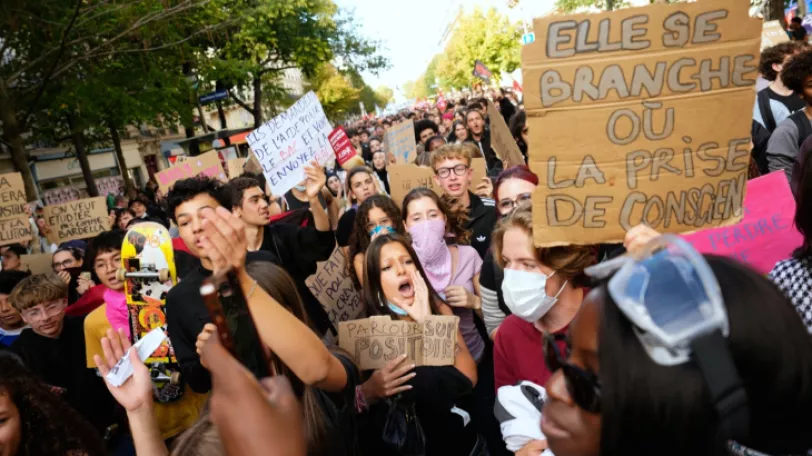
The first breakout session of the national affairs conference on the judicial reform was held on February 20. The discussions included the constitutional interpretation procedure and professional courts. However, civil groups criticized that the so-called open and transparent conference was not streamed online nor open to sit-ins. Civil groups rallied outside the Presidential Office. They criticized that the judicial reform was led by certain groups and that the issues to be discussed had already been covered in the national affairs conference in 1999.
== YU JUI-MING Judicial Reform Foundation==
The judicial reform belongs to the people, not to the legal community only. President Tsai Ing-wen, please hear our voice.
== LI CHEN-HUA Lawyer==
The judicial reform conference only saw talkers talk. The reform in 1999 have driven people's confidence in judiciary from more than 50% to less than 30%. Would you call it a success or failure?
Lin Feng-cheng, the executive secretary of the preparation committee, stated that the conference was not open to sit-ins due to the size of the venue. He said that video and audio of the conference will be posted online later.
==LIN FENG-CHENG, Exec- Sec., NACJF Preparation Committee ==
During the discussion on February 13, all committee members were encouraged to propose their ideal procedure and combination of members in each breakout session. The list was confirmed after a full discussion. All committee members turned out at the breakout session, and no one complained about having unheard opinions.
The first breakout session focused on the grand justice conference procedure and discussed the research reports to be proposed and bills to be implemented by the Judicial Yuan. The next session will be held on March 6.
TRANSLATED BY:LUKE CHIANG
司法改革國是會議起跑,今天首次召開分組討論,率先聚焦在大法官會議改革等議題,主要討論司法院未來需要提出的改革方案,預計下次3/6號再開會,不過,首次會議,沒開放旁聽和直播,有民間團體則出面批評,司法改革會議根本是黑箱作業,討論項目,也是老調重談,根本是假改革。
司法改革國是會議啟動,第一天的分組討論,10多位小組委員,全數到齊,率先討論「大法官解釋程序」和「專業法院和法庭」等議題,並推舉分組的副召集人,不過,標榜透明、公開的會議,卻沒有直播,也沒開放旁聽,引來部份民間團體不滿。
拉起白布條,總統府外抗議,民間團體批評,這次司法改革,被特定團體給主導,沒有聆聽多數人民的聲音,連討論的項目,也是民國88年國是會議,就曾討論的議題,根本是老調重彈。
==司革會成員 尤瑞敏==
我們全民的司法改革
不是法律人的司法改革
請蔡英文總統
你要聽到這一股聲音
==律師 李震華==
司法改革大會
那個議題 吵得沸沸揚揚
結果呢 88年改革的現在
司法信賴度從50幾趴
掉到現在不到20幾趴
你這是改成了嗎 還是改退了
面對質疑,籌備委員會執行秘書林峯正表示,是受限場地大小,並讓委員能專心討論,才沒有開放旁聽,之後會將錄音錄影上網公布,也強調籌備委員會議,絕無黑箱。
==司法改革國是會議籌備委會員執行秘書 林峯正==
2月13號討論的過程
各籌委都很自由的去提出
他們認為 還有更恰當的過程
更恰當的分組的方式
大家充分討論 最後確認名單
那一天開會 全部的籌委都出席
沒有聽到任何的籌委抗議
他的意見沒有被聽過
或者沒有機會說出來
首場分組會議,開會超過3小時,主要針對大法官會議程序,討論司法院未來需要提出改革的研究報告和執行法案,並決定未來會議討論項目,預計3/6進行第二次開會,將會聚焦在最高法院判決後,大法官能否就違憲部份,進行審查。
蔡慧玲 邱福財 台北報導