Trains' ATP System Comes Under Scrutiny|意外肇因初判過彎超速 ATP問題亦受質疑


加入公視會員,
按讚收藏你關注的報導
發布時間:
更新時間:
The automatic protection system of trains, or ATP, has come under scrutiny. Following an accident eleven years ago that was connected to a malfunction with the system, Taiwan Railways Administration stipulated that if the ATP system malfunctioned and had to be shut off, then two drivers would be required. However, this regulation was not put into practice, with tragic consequences.
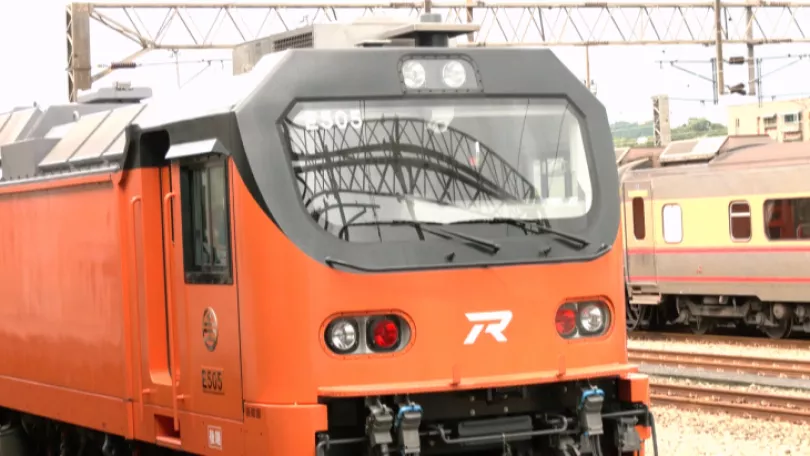
The Puyuma Express train approaches the bend traveling at a high speed, and then all eight cars derail. This was Taiwan Railways Administration's worst accident in 37 years. Rail experts say the cause of the accident may be related to the automatic train protection system, or ATP.
If Puyuma-class trains exceed the speed limit by three kilometers per hour, the ATP system will compel a speed reduction. There was no report of malfunction, so I believe it may have been shut off manually. This probability is quite high.
If you want to shut it (the ATP system) off, there are regulations in place about manual driving and speed reductions.
On June 15, 2007, a collision of trains at Yilan's Dali Station killed five and injured 17. The reason for the accident was the malfunctioning of the ATP system, which prevented braking. Experts say after the accident, the TRA stipulated that when the ATP system malfunctioned and had to be shut off, two drivers had to pilot the train. Eleven years later, another accident occurred in Yilan, and there was only one driver at the controls.
Under the TRA's SOP, drivers are allowed to shut off the ATP system. However, at the time when they shut off the ATP system, there must be another driver present to lend assistance. It's a fact that the TRA suffers from a severe labor shortage.
Experts say the TRA has worked over the years to reduce the delay rate, which has increased the pressure on drivers. Many times, they neglect to follow standard operating procedures to ensure that trains arrive on time. However, good performance results mean nothing when an accident with severe casualties occurs.