Kuozui Motors Reducing Hours, Wages thru End of Year|國內最大組車廠國瑞 近3千人減薪減工時


加入公視會員,
按讚收藏你關注的報導
發布時間:
更新時間:
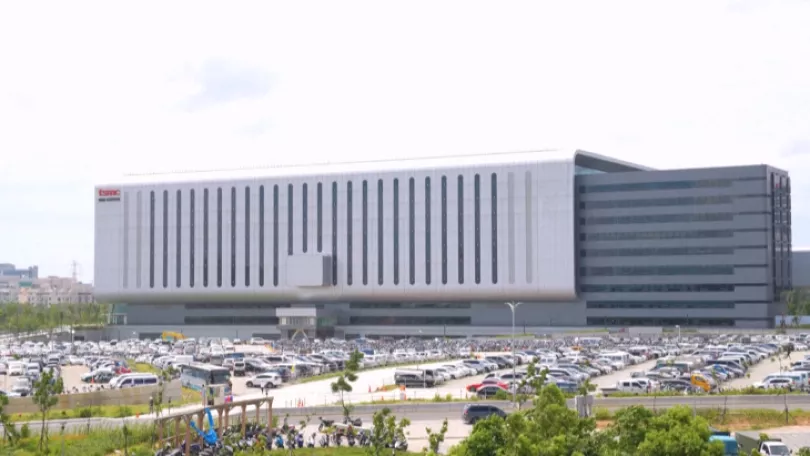
There are rumors that Taiwanese auto manufacturer Kuozui Motors plans to adjust production volume, with capital and labor agreeing to reduce work hours and wages before the end of the year. Employees will get 70 percent wages when they are off and around 2,900 employees will be affected. In reality, Taiwan's low customs duties on imported cars have gone down in recent years and the Japanese yen has been depreciating. Japanese imported cars now cost around the same as cars manufactured in Taiwan, and the unfavorable tax system has created a vicious cycle of people choosing not to buy domestic cars.
Kuozui Motors is one of Taiwan's largest auto manufacturers and Toyota's sole licensed manufacturer in Taiwan. With the economy remaining stagnant and fewer orders coming in, labor and capital agreed to reduce wages and work hours from August to December. The ongoing process affects around 2,900 workers, who will receive 70 percent of their wage during time off.
The primary market is Saudi Arabia and the Middle East region. The ratio of local workers used by (the local government) has gone up while the ratio of migrant workers has gone down. So, of course that affects overall auto sales.
The auto industry has long been regarded as a "locomotive" industry. At around 30,000 steel, plastic, glass, mechanical and electrical components per vehicle, the auto industry affects many supply chains. According to the Taiwan Transportation Vehicle Manufacturers Association, the production value of the domestic auto industry peaked at NT$ 30.9 billion in 2005. Last year, production value was just NT$ 90.6 billion. At the same time, falling import car duties and the depreciation of the Japanese yen in recent years mean imported Japanese cars now cost around the same as domestic cars. European models are also becoming more and more affordable. Import cars now account for 45.2 percent of Taiwan's car market, compared to just 16.87 percent in 2007. This is an increase of 1.7 times in 10 years.
Taiwan's production quality is actually not bad, but Taiwan is restricted by its high cost of labor. The main problem is (the government) has lowered (import) duties and costs, and the cost of (imported cars) and domestic productions is now about the same.
The Taipei Chamber of Automobile Commerce says Taiwan has few free-trade agreement partners and suffers from high auto export duties. This has created a vicious cycle, where domestic cars simply don't sell. The Industrial Development Bureau says the government is promoting intelligent manufacturing that can improve the competitiveness of the industry in the future if taken on board by manufacturers.