STUDENTS AND BIRD LOVERS PROTECT LITTLE TERNS BREEDING SITE|小燕鷗營巢繁殖 桃園國中生綁布條守護


加入公視會員,
按讚收藏你關注的報導
發布時間:
更新時間:
Taiwan is an important stop for many migratory birds, and the latest ones to arrive this year are the little tern. In Taoyuan, middle school students and bird lovers put up yellow ribbons along the coast to remind the public to leave the little terns' breeding sites undisturbed.
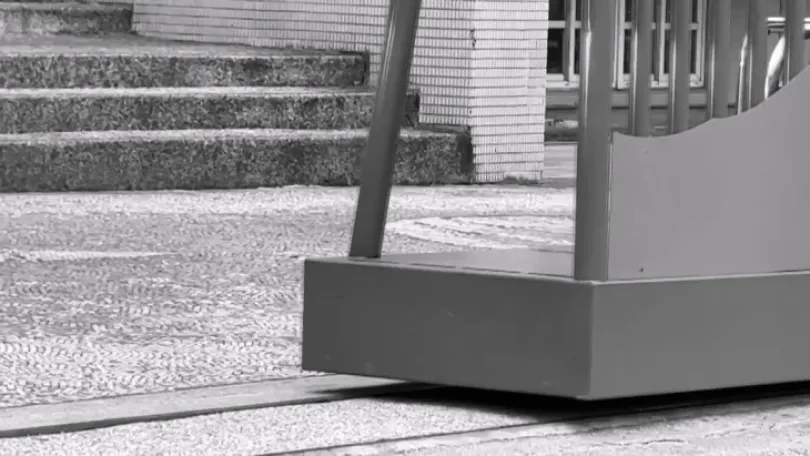
This large stretch of inhospitable-looking gravel hides a nesting site. If you look carefully you will find the nests of many little terns. In July, the numbers of birds reach their peak at over 200. Taoyuan's Kuanyin and Zhuwei's coast are both breeding sites for little terns in northern Taiwan.
==LI CHIA-CHUN Bade Junior High School student==
I would observe their everyday life and how they breed.
==CHIANG CHUNG-WEI Bade Junior High School student==
We tie these ribbons to to remind people to protect the nature and the birds.
Spring and summer is the breeding season for migratory birds. Little terns do not build nests but lay their eggs directly on rocks and gravel. To avoid their natural enemies, their eggs are the same color as the gravel, but it is easy to crush them accidentally. A group of middle school students and bird lovers have tied yellow ribbons along the sea fence to remind people to avoid entering the little terns' breeding habitat, so that they can safely breed the next generation.
==CHEN CHING-WEN Kaohsiung Wild Bird Society Board Director==
Try not to get too close to the birds so they can safely breed their next generation. Also avoid stepping on their eggs or babies.
==WU YU-CHOU Kaohsiung Wild Bird Society Executive Director==
This location is planned to become the third natural gas receiving station, however it's still under discussion due to environmental concerns. It's better to leave it the way it is to preserve the natural habitat.
However, the location of little terns' breeding site, is also planned as the third natural gas receiving station. The Wildbirds Society is worried about the destruction of the little terns' breeding habitat. It hopes it can be preserved, and say that if it really must be developed, then they should find another site in the vicinity to allow for the relocation of the little terns' breeding habitat.
TRANSLATED BY:STELLA TU
春夏是候鳥繁殖季節,二級保育類的野生小燕鷗陸續進駐,桃園沿海就有一群國中生和愛鳥人士,在海邊圍籬上綁下布條,提醒民眾留給小燕鷗一個安全的家。
這一大片看起來有些荒涼的海邊礫石地,其實暗藏生機,仔細看會發現,大批小燕鷗在這裡營巢繁殖,七月數量達到高峰,超過200隻。桃園觀音、竹圍海邊,是北台灣二級保育類小燕鷗最大繁殖地。
==八德國中學生 李佳駿==
觀察小燕鷗 牠們是怎麼生活的
然後是怎麼孵蛋的
==八德國中學生 姜中偉==
保護燕鷗 然後來綁這個
提醒人類要保護好大自然
春夏是候鳥繁殖季節,小燕鷗不築巢,喜歡在砂石地上營巢繁衍下一代,避免天敵攻擊,而牠們生下的蛋顏色幾乎和礫石一樣,一不小心,就很容易被人踩破,一群愛鳥人士和國中生,特別為牠們掛上黃布條請命,提醒民眾避免進入小燕鷗棲地,讓牠們平安孕育下一代。
==桃園市野鳥學會理事長 陳靜文==
儘量不要太靠近
然後讓親鳥可以安心育雛
也可以避免踩到牠們的蛋跟小寶寶
==桃園市野鳥學會常務理事 吳豫州==
這裡剛好是
中油第三天然氣接收站的
預定開發地點 這地方目前
有環差的問題還在討論
不開發最好 保留這塊棲地最好
然而小燕鷗的繁殖地點,正好是中油第三天然氣接收站預定地,野鳥學會擔心破壞小燕鷗重要棲地,希望保留,也呼籲真要開發,就必須在附近挪出另一塊棲地讓小燕鷗繁殖。
記者 詹淑雲 桃園報導