Swim with dolphins in Mikura Island, Japan / 與海豚共游 日本御藏島生態觀光夯


加入公視會員,
按讚收藏你關注的報導
發布時間:
更新時間:
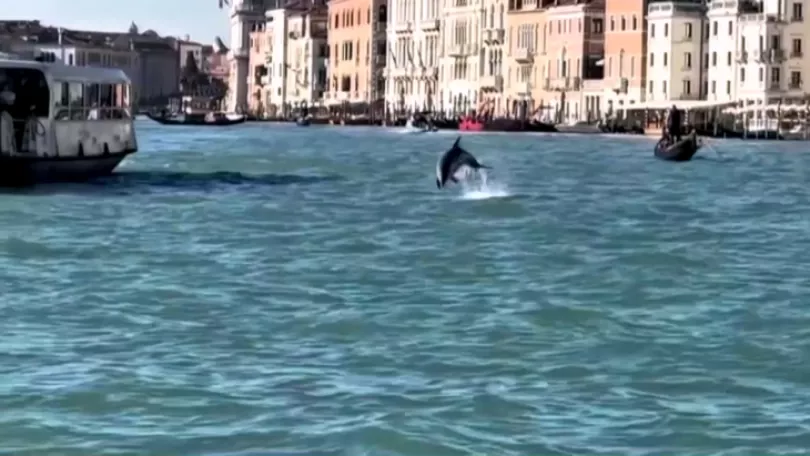
Whale and dolphin watching is very popular off the eastern coast of Taiwan. Even a short glimpse of these majestic marine mammals would inspire excited exclaims among spectators. In Japan's Mikura Island, people not only get to swim with dolphins, more importantly, it is a crucial base for researchers to better understand the life of dolphins.
Getting ready to set off from the harbor, tourists from around the world came to Mikura Island to fulfill the dream of swimming with dolphins.
==tourists===
There are so many of them. There are some baby dolphins there. Just follow them.
You can dive into the realm of the dolphins and have a close look and interaction with them. If you are lucky, you can see a whole school of them swimming and playing around you.
==LORANE PELTIER, French tourist==
Wow, I'm very excited, very excited. Really close.
From 1994, Mikura Island started to promote swimming with dolphins tour. The tourism industry stipulated that tourists can neither touch nor chase after dolphins, and the maximum number of tourists to swim with dolphins is 300 per day. The locals paid money themselves to undertake a project called Photo-ID, a method used to compare the traits to identify dolphins by the image they are taken.
==JAPANESE MARINE VOLUNTEER==
This one is "small elephant." Its dorsal fin is almost scraped off. You can identify it clearly on a boat. Perhaps everyone in the village knows it.
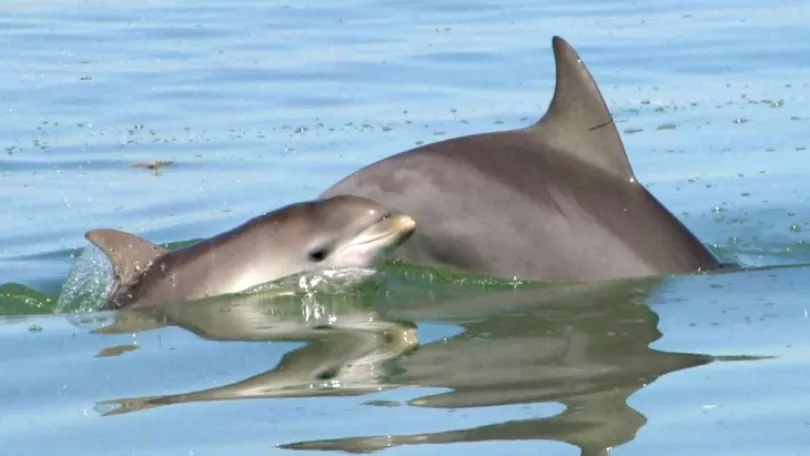
Currently, 250 dolphins have been identified, with 100 or so usually appeared around Mikura Island. Every year, around 10 baby dolphins are born in the waters around the island. The reason why this school of common bottlenose dolphins choose Mikura Island as their main habitat is probably because the Kuroshio Current brings abundant food, along with the geographically advantaged location, making this place a safe habitat for dolphins.
==HASHIMOTO TAMAMI, diving coach in Mikura Island==
No fishermen caught fish in Mikura Island before. Because of the harsh environment, the island is unfit for the access of ships. There were no harbors, so even with dolphins living nearby, people couldn't catch them for meat.
Dolphin watching is current the main source of the economy in the area. In Japan, some eat dolphins while some expect to swim with them. The same species may have different fate depending on how humans treat them. Residents in Mikura Island believe by being friendly to dolphins, the story between humans and the ocean will be rewritten.
TRANSLATED BY:BRYANT CHANG
從港口整裝出發,世界各國的遊客,來到日本御藏島,就是想要實現與海豚共游的夢想。
==遊客==
好多隻喔
有一些小海豚在那裡
出發 跟著他們
潛入海豚的國度,近距離的觀察與互動,運氣好的時候,可以遇見整群海豚在身邊穿梭嬉戲。
==法國遊客 LORANE PELTIER==
哇 非常興奮
非常興奮
牠非常接近
御藏島從1994年開始嘗試海豚共游的觀光活動,觀光業者制定規範,嚴格遵守不觸摸,不追逐海豚,並且每天只允許不超過300名遊客,下水與海豚共游,當地居民更自行出資,進行海豚個體辨識計畫,透過拍攝到的海豚影像,比對牠們身上的特徵,來辨認牠是誰。
==海洋志工 古市知==
這隻是「小象」
背鰭削去一大半
從船上就可以清楚辨識
大概村裡的人都認識牠
目前已經辨識出250隻海豚,經常在御藏島出現的約100多隻,而且每年約有10隻海豚寶寶在附近島海域誕生,為什麼這群瓶鼻海豚會選擇御藏島為主要的棲息地呢,推測除了因為黑潮帶來了豐沛的食物,還有先天的地形優勢,為海豚造就了一個安全的棲身之所。
==日本御藏島 潛導 橋本珠美==
御藏島原本沒有漁民活動
因為自然環境比較嚴峻
不適合大型船隻進出
原本也沒有港口
因此即使附近有海豚
人們也沒辦法捕來吃
現在海豚觀光成為當地最主要的經濟收入,在日本有人吃海豚,有人期待與牠們共游,同一種生物,因為人們利用型態不同,有了不一樣的命運,御藏島居民相信友善對待海豚,人與海洋的故事也將會改寫。
記者 于立平 許中熹 柯金源 日本報導