Taipei School Food Waste Reduced from 10 to 2 Tons|響應"世界糧食日" 國小午餐廚餘減至2公噸


加入公視會員,
按讚收藏你關注的報導
發布時間:
更新時間:
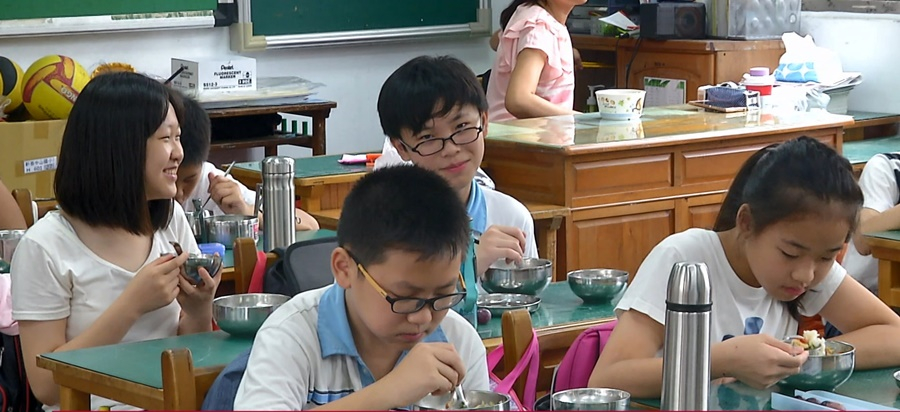
One third of the food that we grow or cook directly goes to waste, and this issue receives special attention on Oct 16th, also know as World Food Day, which honors the founding of the United Nations' Food and Agriculture Organization. In Taiwan, there are efforts to minimize food waste. Suppliers of elementary school lunches have managed to reduce kitchen waste from 10 tons to two tons through education and customization.
Suppliers of lunches to elementary schools need to ensure the food is fresh and the portions are sufficient. In 2016, they provided 70,000 meals to Taipei elementary schools, producing 10 tons of kitchen waste in the process. They decided this was too much waste, and asked schools to step up education efforts to encourage students to cherish food. They also began offering customized services based on school grade. As a result, the volume of kitchen waste has been reduced to two tons.
Most of the time, there is leftover food because there are picky eaters. What we do is offer portions that are the size required by children. If there is a class with more male students, we will provide more food.
The Environmental Protection Administration has commended the efforts of Taipei's school meal providers to reduce kitchen waste and named them an example to follow. Restaurants have also joined the campaign to reduce food waste. Some allow diners to choose the size of their portions, while others opt to use "ugly produce" or parts of vegetables that are normally discarded.
Many people end up removing and throwing out the outer leaves of produce once they get home. We keep the outer leaves. For example, cauliflower leaves have thick stalks. Most people throw away the stalk. We chop up the stalk and pickle it.
Statistics show one-third of the food produced in the world for human consumption is wasted every year, or about 1.3 billion tons with a value of US$1 trillion. In developed countries, 40 percent of the food is wasted in homes or hypermarkets. The EPA encourages people to stop wasting food and to start cherishing food.