Ministry Postpones Planned Tax Changes|減稅過了頭? 長照.健檢扣除額暫緩


加入公視會員,
按讚收藏你關注的報導
發布時間:
更新時間:
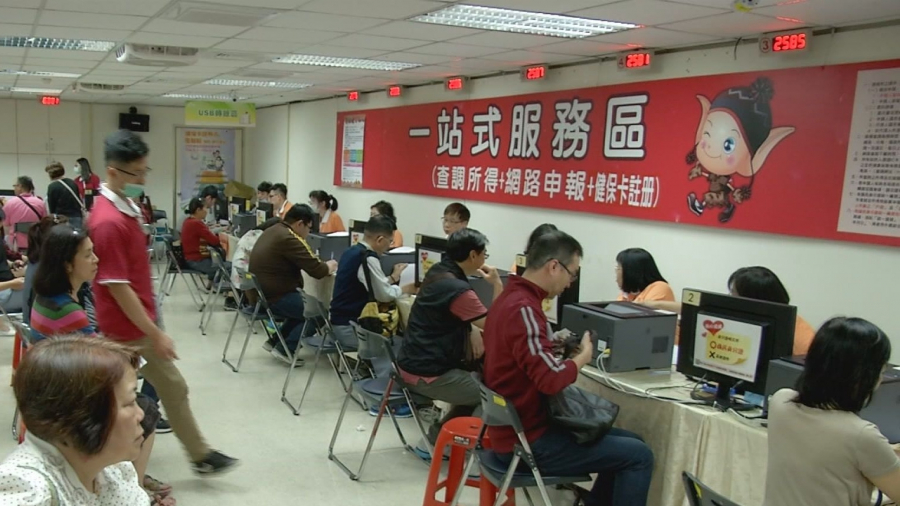
Tax payers were anticipating a second round of tax deductions soon, but now it may be postponed. The ministry's Taxation Administration says, last year's tax reforms greatly increased the amounts of individual income tax deductions, which led to this year's income tax base to drop to only 24 percent. This pressures the government's fiscal position greatly, and the ministry has thus put the brakes on the proposed deduction plan.
Several new tax measures took effect this year, including substantial increases to the amounts of four types of individual income tax deductions. The Ministry of Finance subsequently discovered this year's individual income tax base had fallen to just 24 percent of the previous level.
Only 38 percent (of the tax base) remains. If you include the amount of the four tax deduction adjustments from this time, the tax-exempt amount proportion rises to 76 percent, leaving only 24 percent as the tax base.
Did the ministry go too far with its tax cuts? Accountants who have analyzed filed individual income tax returns say in 2016, prior to these tax reforms, the total declared income was NT$5.8 trillion. The tax-exempt and deduction amounts totaled NT$3.6 trillion. The actual amount of taxable income was therefore only NT$2.2 trillion, meaning only 38 percent of all income was taxable. In 2017, the tax reforms took effect, increasing four official deduction amounts and salary income deductions. In addition, there were tax losses totaling NT$56.3 billion due to deductions in dividend income, so the actual percentage of taxable income was only 24 percent.
If the long-term care program is included, the Ministry of Finance's tax base may not reach 20 percent, resulting in the Ministry of Finance's financial collapse. Our entire fiscal taxation situation will become tighter.
The ministry was originally planning to roll out a second round of tax deductions during the current legislative session. The plan included deductions for long-term care and physical examinations. Now, it has put the brakes on this plan, as it is afraid of going too far.
These types of tax cut measures are what are called subtractive thinking. What the government should be thinking about is how to stimulate economic growth, which I believe is more important.
The government has promised deductions for long-term care in light of Taiwan's aging society and declining birthrate. However, it has been unable to fulfill this promise due to a lack of finances. The Ministry of Finance says it is planning on using the tobacco tax and inheritance tax to support long-term care. However, these taxes only amount to NT$33 billion, which is far from enough. The ministry says it will wait until this year's tax figures are official before making a final decision, and it is only postponing its plan at present.