Kidney Disease is Costliest for Health Care System|健保花費前十大疾病 急慢性腎病居首


加入公視會員,
按讚收藏你關注的報導
發布時間:
更新時間:
The list of top 10 most costly diseases has been announced. Last year, kidney disease patients racked up NT$53 billion in health care spending, making it number one on the chart for four consecutive years. Meanwhile, schizophrenia made the list for the first time.
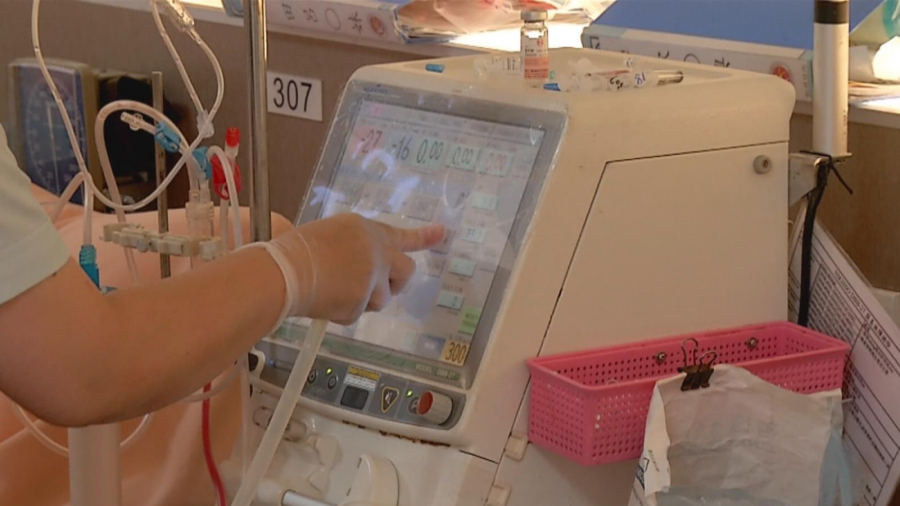
The number of people in Taiwan requiring dialysis is rising with each passing year. Last year, that number exceeded 87,000, a new record high. As a result, kidney disease expenditures remain high. According to National Health Insurance Administration statistics, acute chronic kidney disease ranked first in 2017 in national health insurance outpatient and inpatient diagnosis and treatment expenditures. All in all, NT$53.3 billion were spent on 358,000 kidney disease patients. Kidney disease has ranked first on this list for the past four years, from 2014 to 2017.
If we don't properly take care of diabetes, it could develop into kidney problems in the future. It accounts for a very high proportion.
The NHI Administration says medical treatment costs will continue to increase as Taiwan becomes an aging society. If people fail to properly control their blood pressure, blood sugar and blood lipids, they may develop kidney disease. Other diseases on the list of diseases incurring the most national health insurance expenditures in 2017 include salivary gland diseases and diabetes. It is worth mentioning that schizophrenia made the list for the first time last year, with NT$12.7 billion spent on 130,000 patients.
These patients are all actually classified as having chronic diseases. The proportion of patients needing to receive treatment for their entire lives is very, very high. They may have little knowledge about the disease, or no way to maintain treatment. They therefore often discontinue with treatment. Once that happens, the disease recurs, and may result in additional medical treatment expenses.
Psychiatrists say awareness of mental illnesses is on the rise, and people are seeking medical treatment earlier, allowing these illnesses to be controlled and facilitating their reintegration into society. In the long term, this is good. Meanwhile, the NHI Administration says it will continue to push for kidney disease prevention and cure, such as promoting organ donation, to reduce the number of people requiring dialysis.