TAIPOWER MULLS NUCLEAR WASTE STORAGE OPTIONS|核廢去處 傳台電鎖定無人島.建海底城


加入公視會員,
按讚收藏你關注的報導
發布時間:
更新時間:
In a recent report published by Taipower, the company looks into building centralized storage for nuclear waste on an unpopulated or semi-populated island. The report also looks at the international practise of building storage below sea level, and may assess the construction of a submarine complex as a final disposal site. However, Taipower clarified that such centralized storage will only serve a relay station for the processing of nuclear waste. In addition, the company is planning an indoor storage above ground, rather than a submarine one.
The first, second and third nuclear power plants, are all near their decommission dates. Where both high and low radioactive nuclear waste should be disposed of is a problem. It is rumored that Taiwan may use an unpopulated or semi-populated island to construct centralized storage, or like some other countries, place nuclear waste in marine storage. Taipower clarified that centralized storage was still just a nuclear waste relay station. In the future it plans an indoor land surface storage facility, and would not choose to use submarine storage.
==LIN TE-FU, Spokesman for Nuclear Power, Taipower==
We've looked at various cases from around the world. Based on what we have seen, most solutions are 100-percent above ground, with a large warehouse of some sort. The question then becomes how to acquire a patch of land, where we could store nuclear waste for a very very long time as a final solution.
Taipower said it looked at how the Netherlands, Switzerland, Belgium and other countries would first centrally store radioactive waste and then have a final disposal strategy. Spent nuclear fuel rods and low-level radioactive waste was put together in medium-term storage, which enabled more efficient monitoring of, and centralized management of, the nuclear waste. The current plan was for land facilities, but anti-nuclear groups believe that Taiwan is located between tectonic plates and there are frequent earthquakes, so the use of seabed nuclear waste storage had safety implications.
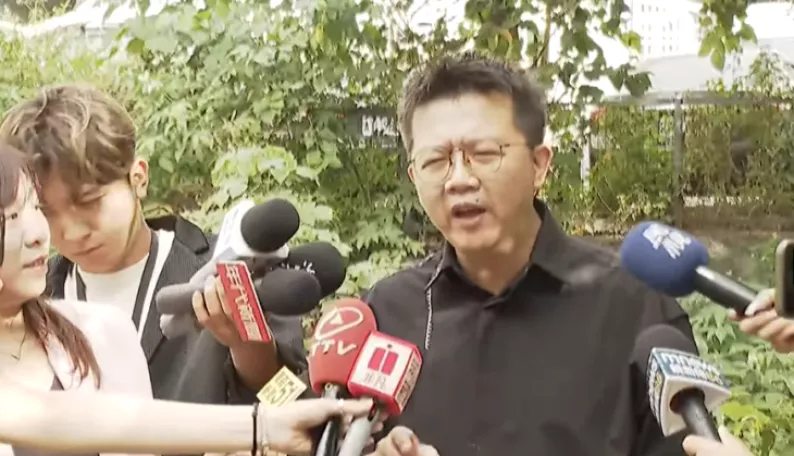
==FANG CHIEN, Anti-nuclear Activist==
In Sweden or Finland, they are able to find granite-based locations that have been geologically stable for millions of years. So we think what Taipower is now saying is really irresponsible. What they are doing is a waste of time and money.
Taipower stressed that a centralized storage facility would not be built underground, but recommended that the Ministry of Economic Affairs set up a site selection committee to assess and set up the public participation for any final disposal site. There should be a communication platform for selection. Once selected it should be approved by the Executive Yuan, and there should be follow-up environmental impact assessment and other procedures.
TRANSLATED BY:CLARE LEAR
核一二三廠,陸續接近除役年限,高低放射性核廢料到底該何去何從,外傳台電希望在無人島或準無人島,興建集中式貯存場,並比照國外在地下海底城貯存核廢料,不過台電上午澄清,集中式貯存場是貯存核廢料中繼站,未來是規畫在室內地表貯存,並沒有以地下海底城作為選項。
==台電核能發言人 林德福==
按照國際上目前的
一些工程的一些經驗來講
是完全是百分之百地表
蓋了一個類似很大的一個倉庫
等到未來怎麼樣找一塊地
能夠儲存非常非常久時間的
一個最終處置
台電表示,台電是參考荷蘭、瑞士、比利時等國,將放射性廢棄物採用先集中貯存再進行最終處置的策略,將用過核子燃料及低放射性廢棄物集中進行中期貯存,透過集中管理核廢料提升監測效率,而且目前規劃都是地表上的設施,但反核人士則認為,台灣位於菲律賓板塊和歐亞板塊交界處,地震頻繁,如果使用海底核廢城安全遭質疑。
==反核人士 方儉==
瑞典 芬蘭那些國家是在一個
幾百萬年都是相對穩定的
一個花崗岩的大的地盤上面
所以我們覺得台電這樣講
是非常不負責任的
這樣只是浪費錢跟浪費時間
台電強調,集中式貯存場不會興建在地底下,但如果是最終處置場則有可能,也建議經濟部成立選址委員會進行評估,並成立民眾參與選址的溝通平台,未來選定地點後呈報行政院核定,再由台電執行後續環評等相關作業。
記者 吳雅瑜 林國煌 台北報導