40 percent of southern tourism business experiences losses / 陸客團減 調查:南部4成觀光業者受影響


加入公視會員,
按讚收藏你關注的報導
發布時間:
更新時間:
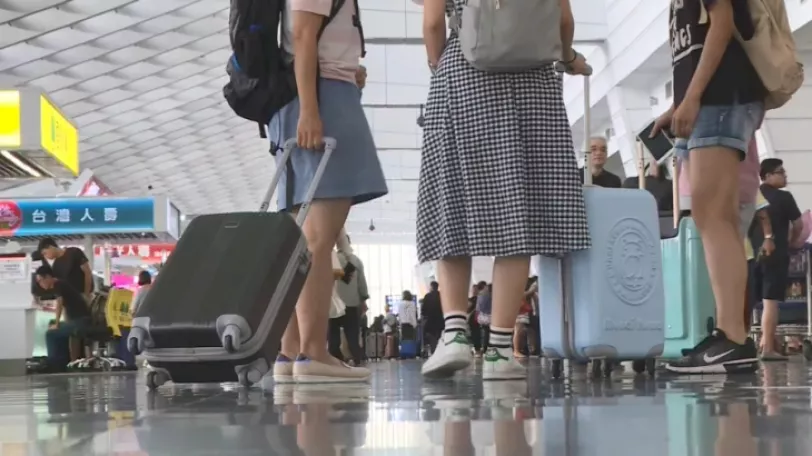
The number of Chinese tourists coming to Taiwan has dropped. According to a new survey, as much as 40 percent of the tourism industry in the south is affected, with the most heavily impacted being tour operators and the hotel industry. The survey also shows that the industry generally believes that Taiwan's international visibility remains low, and that the government's policy prioritizes the north over the south. Respondents hoped that each county and city government would better promote its special features.
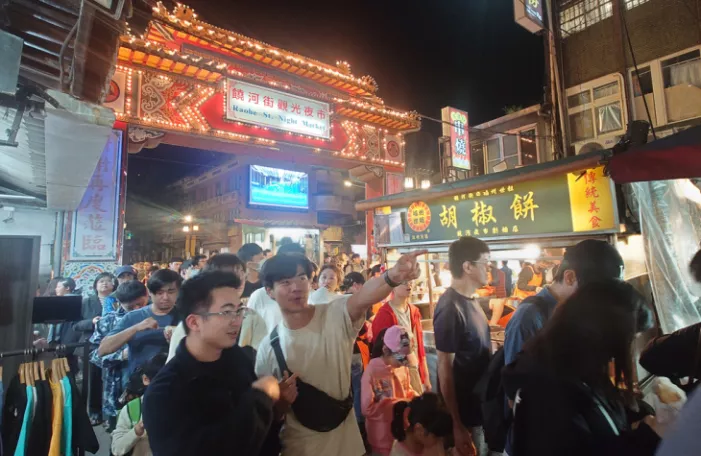
Chinese tourists loved to visit Sizihwan in Kaohsiung and a large number of coaches went in and out, which affected residents and triggered protests. Now, only a year later, Chinese tourists to Taiwan have dropped significantly, and the Liuhe night market has seen crowds drop off, and vendors' business has been affected.
==TSAN CHIN HAN Liu He Night Market development committee==
The whole business volume has dropped by about 40 percent. In the past there were about 100 coaches a day, from about June this year, there are only about 40 to 50, so the number of Chinese visitors have dropped substantially.
Liuhe night market said the groups of Chinese tourists no longer visit, so that half of restaurants catering to them, have gone out of business. However, independent Chinese tourists have increased. They have different spending power, so business is still impacted. According to a Taiwan travel industry survey, nearly 40 percent of the southern tourism industry admitted that its performance fell over the last three months, compared with last year. Tour operators and the hotel industry bear the brunt of the drop in business.
==HUNG SHU-CHEN Hotel chain marketing manager==
Last year was quite good, this year, because of the Chinese visitors' numbers dropping, from about April over three or four months we've found that the Chinese aren't visiting and we have lost about 50 percent of our business.
The southern tourism industry has suffered heavy losses. It generally believes that there is a lack of international visibility and lack of marketing. It feels that policy prioritizes the north over the south. Analysts believe that the drop in Chinese tourists is a short-term phenomenon, because Taiwan and China still have very close business, investment and other relations so tourism will improve.
TRANSLATED BY:CLARE LEAR
原本陸客團最愛的西子灣,大量遊覽車頻繁進出,影響居民交通,去年曾引發抗議,只是,才事隔一年,陸客團來台明顯銳減,最愛去的愛河、六合夜市也不見人潮,攤商生意大受影響。
==六合夜市發展促進會監事 詹金翰==
整個量大概少掉四成左右
過去大概每天都有
將近100部遊覽車
大概從六月份之後
現在大概剩下30 40部左右
這是團客部份很明顯縮小
六合夜市業者表示,陸客團不來,專做陸客團的餐廳半數倒閉,但自由行陸客逆勢增加,只是消費力不同,生意還是受到衝擊,而根據台灣行旅遊網調查顯示,近4成南部觀光業者坦言,最近三個月業績較去年同期下滑2成,遊覽車業者首當其衝,再來是飯店業。
==連鎖飯店行銷企劃總監 洪淑貞==
去年都還不錯
因為陸客關係
今年好像從四月開始
三四月我們就明顯感受到
陸客不來了
業績真的少了五成那麼多
南部觀光業損失慘重,業者普遍認為和國際能見度不足,缺乏行銷,以及政策重北輕南有關,不過,學者認為,陸客團銳減只是短期現象。
學者認為台灣和對岸,不管商業投資或是觀光交流,都十分頻繁,目前雙方正在磨合,情況會獲得改善。
記者 李淑蘭 陳顯坤 高雄報導