No Increase on TRA Train Prices for 23 Years: Scholar|台鐵人力不足主因 學者:票價凍漲23年


加入公視會員,
按讚收藏你關注的報導
發布時間:
更新時間:
The recent Puyuma train derailment has brought to light the shortage of manpower in Taiwan Railways once again. Academics believe, it is due to the government's policy, that the train ticket prices have not seen growth in 23 years, which is causing the long-term loss in TRA and hence the current operation difficulties, including the shortage of staff.
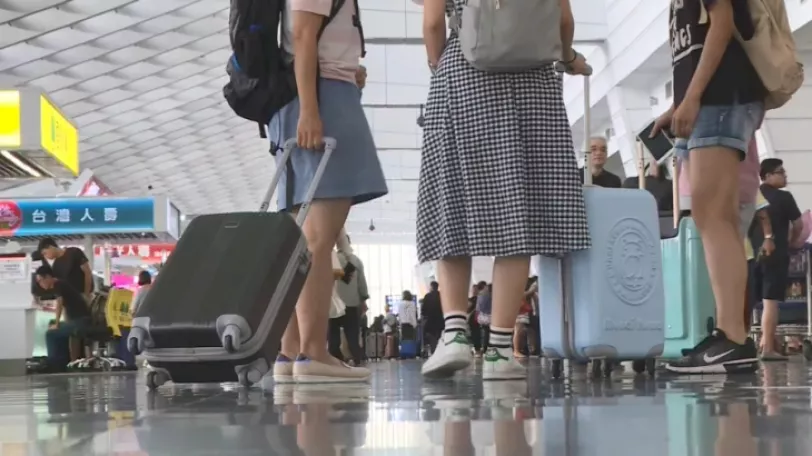
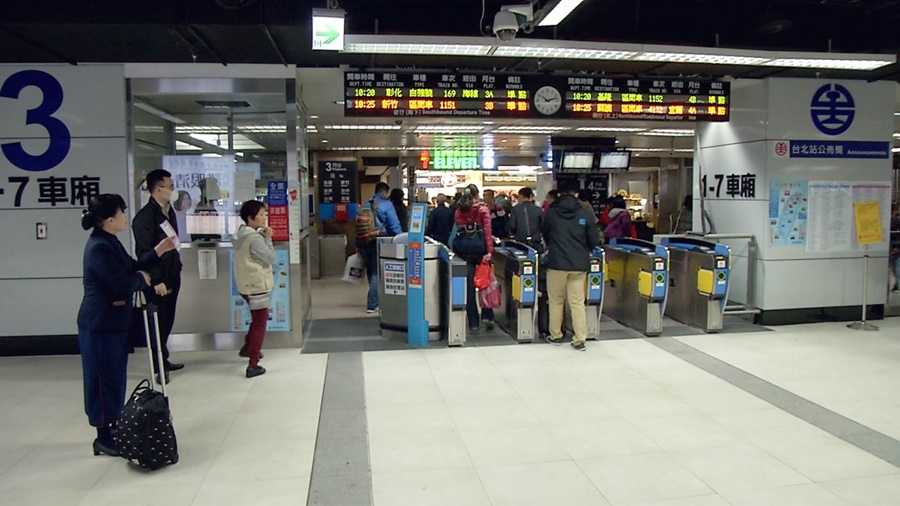
The Taiwan Railways Administration (TRA) is keeping their train ticket prices relatively low, which makes it the ideal main form of transportation for daily commuters. Last year, the TRA trains saw a total of 232.8 million passengers, 2.44 million more than in the previous year. However, the TRA saw a NT$ 524 million increase in loss in 2017 compared to the previous year, and its total loss has accumulated to more than NT$ 100 billion. The recent Puyuma train derailment has brought to light the issue of man power shortage. An academic said that the cause of such shortage is the stagnated ticket prices.
I lived in the United States in the past. And when I traveled to the UK, France, and to other parts in Europe, the train tickets were quite costly, especially compared to that of Taiwan's trains. Therefore I think the train ticket prices should see upwards adjustment.
The academic believes the ticket prices of TRA trains should be increased. Compared to the ticket prices of other train lines in Taiwan, for example, the section between Banqiao and Nangang station, the most expensive train from TRA's system is the Tze-Chiang Limited Express, which costs NT$ 37 at full price. The price for local trains that stop at every station is NT$ 24, and the passengers who opt for electronic tickets can get a 10 percent discount. The local trains take around 25 minutes to get to the destination at the slowest. On the other hand, the ticket price of MRT subway train traveling through the same segment charges NT$ 45 at full price, while passengers with electronic tickets enjoy a 20 percent discount, bringing the ticket price down to NT$ 36. The MRT system has a larger number of trains, and they stop at more stations along the way. The travel time between those two stations is about 30 minutes. The Taiwan High Speed Rail has the most expensive ticket prices, almost twice of that from TRA trains, but their trains also take less time to get to their destinations. Most members of the public are not against the potential increase of TRA ticket prices.
If the increase in train ticket prices can actually help raise the wages of train conductors, and that they wouldn't have to work long shifts, then I'm okay with an upward adjustment.
The train system has operating cost, and the fluctuation in commodity prices must be reflected in (the changes) in ticket prices.
TRA train prices have not seen any increase for 23 years. Experts and academics believe that the operating cost is not reflected in the ticket prices, making it increasingly difficult for TRA to maintain its day-to-day operation. On the other hand, the Ministry of Transportation and the TRA are low-key on the subject of raising ticket prices. They believe the key issue at the moment is on how to improve the operation safety of trains. The long-term operating loss of TRA might not see any solution any time soon.