Hsinchu Detention Center Goes the Way of History|階段性任務完成 新竹靖廬吹熄燈號


加入公視會員,
按讚收藏你關注的報導
發布時間:
更新時間:
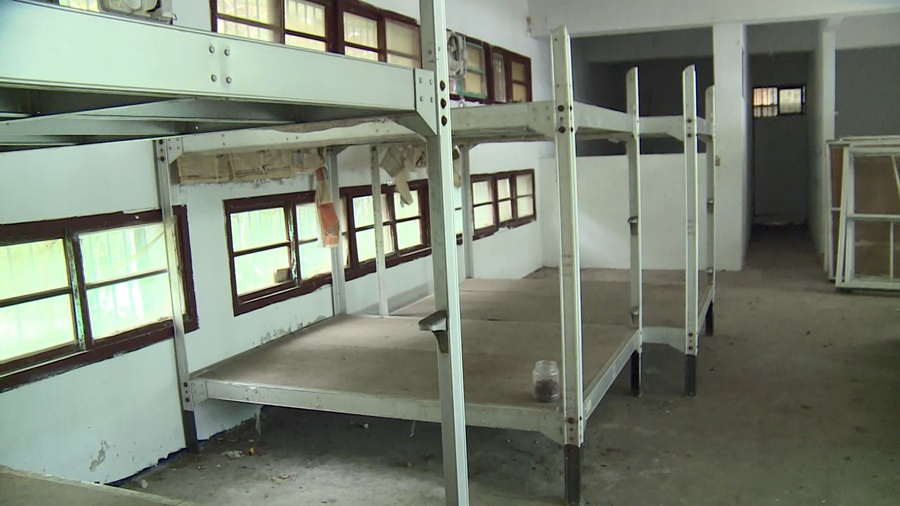
Twenty years ago, many Chinese people snuck in Taiwan. Hsinchu Detention Center, which was responsible for detaining them, became overcrowded and at its peak had over 5,000 detainees. Times have changed. On Oct. 24, the last group of illegal immigrants were transported out. The group included six Vietnamese men and one Chinese man. With that, the center officially shut off the lights and closed.
On the 24th, the National Immigration Agency's Hsinchu Detention Center went the way of history when the last group of illegal immigrants, including six Vietnamese men and one Chinese man, left the center. For decades, the center served as the final stop for illegal immigrants in Taiwan. The center was overpopulated, with dozens of people being forced to live in single rooms. Detainees had to wear uniforms, and a number of women gave birth there.
From 1992 on, we processed and repatriated close to 10,000 people. At the time, we were assigned to a really terrible park by Police Director-General Hou. We had to clear the park to make it useable. At our peak, we could process 1,200 people a day.
Mainland Affairs Council officials scheduled visits to the center out of concern for human rights. During holidays, detainees were given red envelopes and allowed to phone home. The center was originally a shrine built in 1917 during the period of Japanese occupation. In 1992, the National Police Agency turned it into a detention center for illegal immigrants from China, Hong Kong and Macao. In 2001, shrine remnants inside the center were granted historical monument status. Six years later, the agency built a new detention center for Southeast Asian migrant workers who overstayed their visa or missing and hiding of them that turned to work illegally in Taiwan.
The center bore witness to how cross-strait relations and international relations in Taiwan changed. We will move our foreign detention operations to Kaohsiung's detention center.
The center bore witness to the blood, sweat and tears of illegal Chinese immigrants through the decades. One former detainee in particular managed to enter Taiwan five times to earn money to support his family. There were also a number of political asylum seekers. With the economic shift that has taken place in the last two decades, Hsinchu Detention Center has served its purpose. The Hsinchu City Cultural Affairs Bureau plans to turn it into a history and culture park.