Excessive Dioxin Hairy Crabs Enter Taiwan Market|進口中國大閘蟹含戴奧辛 恐流入星級飯店


加入公視會員,
按讚收藏你關注的報導
發布時間:
更新時間:
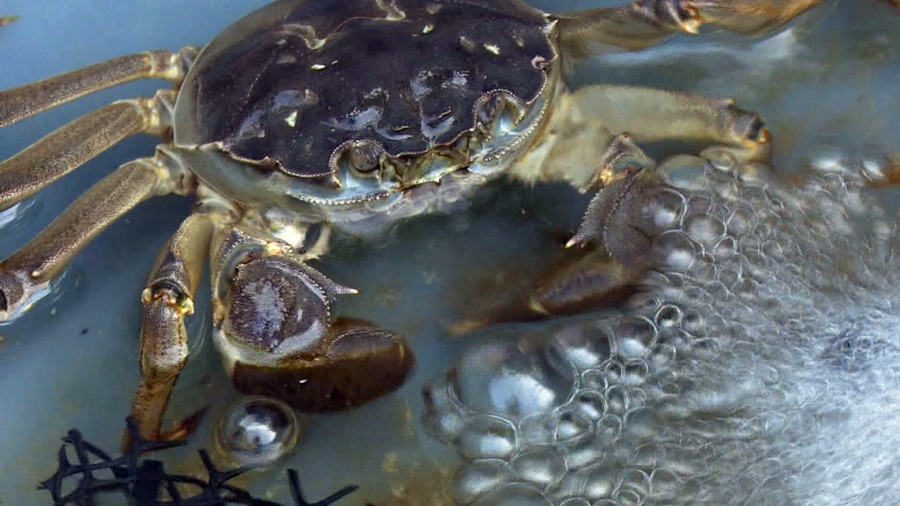
Beware! Hairy crabs with excessive dioxin levels have entered the market and may have already been eaten by consumers. The Ministry of Health and Welfare Food and Drug Administration investigated and discovered excessive dioxin levels in three batches of a total of 15 tons of hairy crabs imported from China by two importers in the last few days. Some of the crabs contained seven times the limit of dioxin. The crabs were seized by customs, but the companies were already secretly selling the crabs. The crabs may have found their way to major hotels. The case violates the Act Governing Food Safety and Sanitation and is being prosecuted by the Keelung District Prosecutors Office. The head of one of the companies, surnamed Kuo, was released on NT$ 500,000 bail after being questioned.
Hairy crab season is here, but the Food and Drug Administration has discovered excessive dioxin levels in three shipments of a total of 15 tons of hairy crabs from China. As the importers had been privately selling the crabs, some of the crabs may have been consumed already.
The importers broke the law by moving and selling the products before they got import permits.
Taiwan's legal dioxin limit is 3.5 picograms per gram. As tests take eight to 14 days, importers are allowed to import items into Taiwan and store them in warehouses until test results are available. They are not allowed to sell the items until they have cleared customs. Two of the shipments were imported by one company and the third by another. Dioxin levels exceeding the legal limit by seven and 2.4 times, respectively, were found in the first two shipments and third shipment.
Over the long term, exposure to even low amounts of dioxin can result in a higher risk of cancer, compromised immunity, miscarriage and birth defects.
The Food and Drug Administration says it remains unknown how many crabs have already been sold. The importers face fines of NT$ 60,000 to NT$ 200 million for violations to the Act Governing Food Safety and Sanitation and up to seven years in prison, along with additional fines of up to NT$ 800 million.