Personal Finance Apps Fail Security Tests|金融APP基本資安 15件初測全部未通過


加入公視會員,
按讚收藏你關注的報導
發布時間:
更新時間:
Beware of finance apps, they might not be as safe as you think. The Executive Yuan's Consumer Protection Committee recently tested the basic security of 15 personal finance apps. None of them passed the first test, and only seven passed the second test after making improvements.
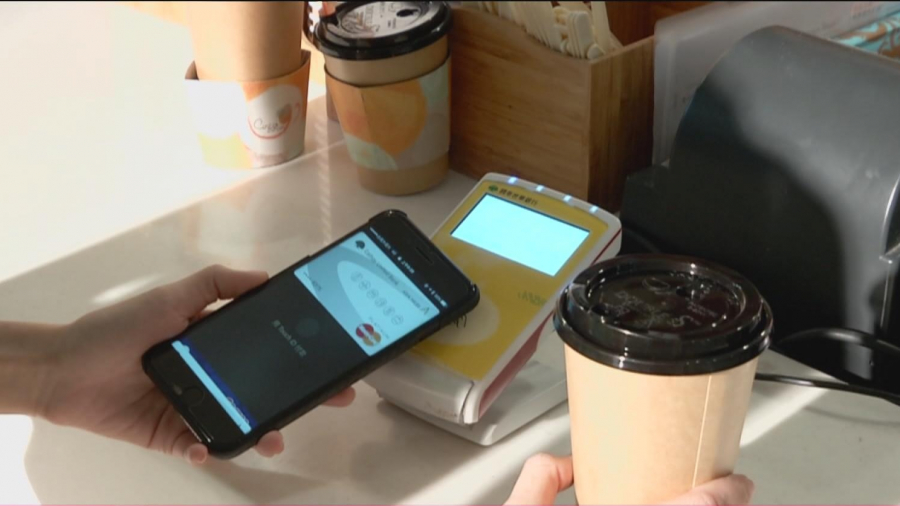
Personal finance apps allow users to transfer money, make payments and other types of transactions. They are extremely convenient, but not free of risks. The Executive Yuan's Consumer Protection Committee recently tested the basic security of personal finance apps on the Android and iOS operating systems. None of the 15 apps passed the first test. Only seven passed the retest after making improvements.
We even found some malware that implanted malicious code to steal the customer's personal information. I think we need to delve deeper into this.
The CPC decided to only reveal the apps that passed the retest, to prevent hackers from using the substandard apps to steal personal information. The apps include Cathay Life Insurance, Nan Shan Life Insurance, Mercuries Life Insurance, O'Pay Electronic Payment, FETnet and Taiwan Mobile Company. They all met regulations on sensitive information protection and payment source security controls, as well as identity verification standards. Scholars say apps make it more convenient to conduct transactions and make payments. However, users could suffer financial losses if hacked. The Financial Supervisory Commission should therefore take part in the oversight.
Financial services are a highly specialized field. I personally believe it will be appropriate for the Financial Supervisory Commission to take charge of information security testing and verification.
At present, there are no laws requiring app developers to make improvements or allowing apps to be removed from app stores. The Executive Yuan's National Center for Cyber Security Technology reminds the public to refrain from downloading apps from unknown sources, and to use long and complex passwords. People can also opt out of having apps store their personal information to reduce their chances of having their personal information stolen.