Japan Urges Taiwan to Lift Food Import Ban|日方發布14頁說帖 強調"合食"非"核食"


加入公視會員,
按讚收藏你關注的報導
發布時間:
更新時間:
The Japan-Taiwan Exchange Association published a post on its website questioning why processed food products manufactured in five prefectures once affected by the nuclear disaster can be sold in Japan and exported to other countries, but are banned in Taiwan. It has also provided scientific data to back up its claims that their food is safe to eat.
The Japan-Taiwan Exchange Association published a post on its website about what it said was the truth behind food products manufactured in the five prefectures affected by the Fukushima Daiichi nuclear disaster. The post pointed out food products produced or processed in these five prefectures, including Fukishima, can be sold in Japan. They are also exported to many countries that do not prohibit imports. It also provided scientific data, such as test results showing the passing rate of radioactive material inspections in Japanese food is 99.999 percent, and statements attesting to the safety of these products. The 14-page post was an attempt to persuade the Taiwanese public that food products from the nuclear disaster zone are safe for consumption.
The Ministry of Foreign Affairs' viewpoint is what we just said, that we aren't the authority in charge of food safety. However, we do believe that the precondition for handling food import issues should be the guarantee that these food products are safe, and we should follow international free trade regulations and base decisions on scientific evidence.
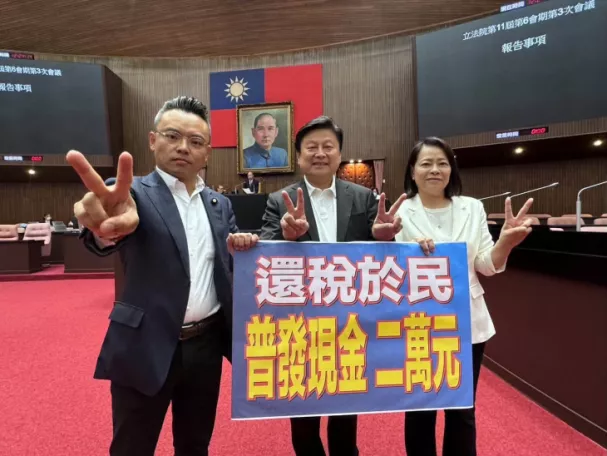
The Ministry of Foreign Affairs says Japan is actively promoting the safety of its food products, as seven years have already passed since the nuclear disaster. At present, only China and Taiwan maintain a complete ban on products from the nuclear disaster area. This is why Japan is trying to clarify the facts. Meanwhile, Kuomintang legislators say they still have doubts.
Why does Japan insist on sending these products to Taiwan? Taiwan is not a second-class country or a Japanese colony. With regards to this issue, we urge our government to stay firm and not do anything to cater to Japan. I don't think people would accept that.
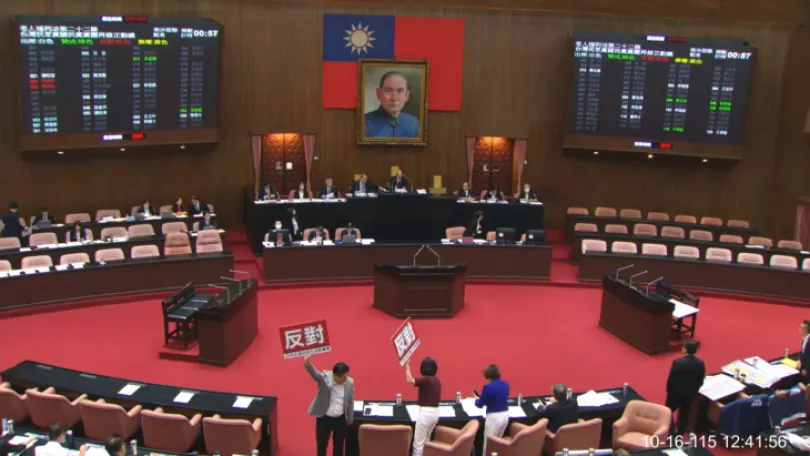
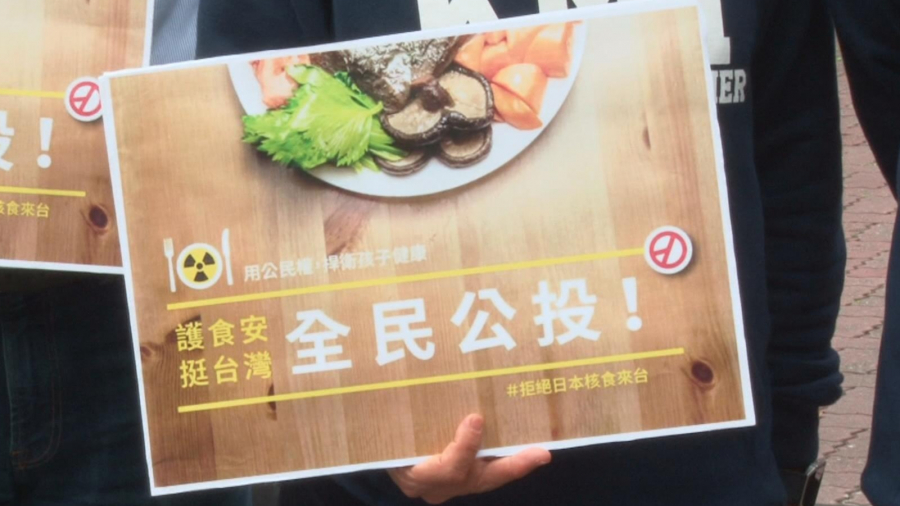
The KMT also proposed a referendum on this issue, and will hold a legislative hearing on Apr. 24. The party staunchly opposes allowing the imports of Japanese food products from the five prefectures.