Taitung Seeks to Preserve Millet Production, Culture|台灣小米面積銳減 台日聯手"播種"


加入公視會員,
按讚收藏你關注的報導
發布時間:
更新時間:
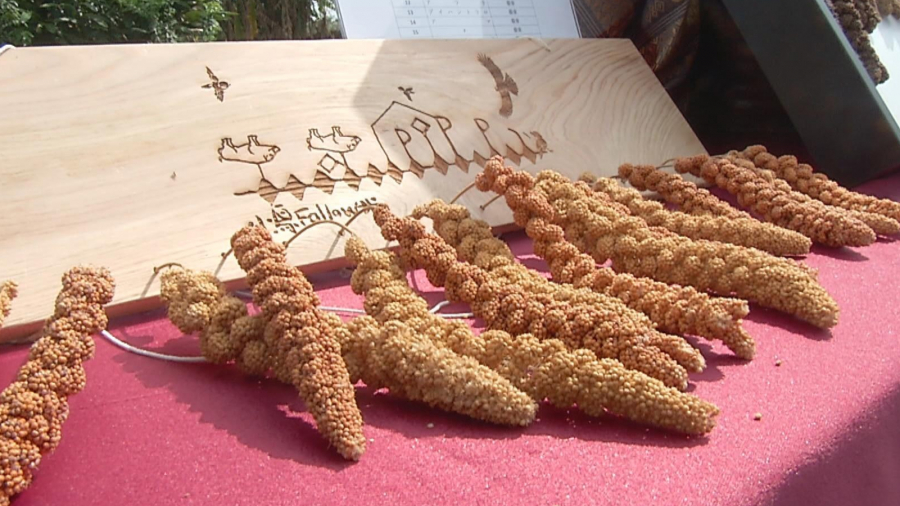
Half a century ago, there were tens of thousands of hectares dedicated to millet growing in Taiwan. These days, there are only several hundred hectares. This has had a negative impact on indigenous culture and the surrounding ecology. The Taitung Forest District Office invited Japanese experts to grow millet together. They want to preserve millet culture for future generations.
Many of the traditional songs sung by the Bunun tribe during sacrificial ceremonies have lyrics about growing millet. Millet is not only a staple food for indigenous peoples, but also an important cultural symbol. Not many people know that before 1941, Taiwan grew 200 varieties of millet, with 50 in Hualien and Taitung alone.
These days, we are only speaking of millet as a cash crop. Before, different types of millet had different names based on how they grew. Now, all the varieties just called millet, which doesn't reflect how they are grown.
Different indigenous tribes have different pronunciations for different types of millet. The Japanese people have preserved their own translations into Japanese. In Taiwan, at present there are only several hundred hectares of land dedicated to growing millet, as it has been replaced by rice. This has resulted in ecological changes. The russet sparrow, a bird that eats millet, as well as the mountain hawk-eagle, a bird that eats russet sparrows, are on the verge of extinction. The Taitung District Forest Office has therefore passed a "green economy sustainable development plan." It invited Japanese scholars and industry representatives to work together to plant millet in the hopes of restoring this link on the ecological chain.
For this type of work, we need to start with millet. We need to link the environment, animals and human lives together.
The office adds preserving millet varieties is difficult, as they cannot be frozen like most plants. The maximum preservation period of millet seeds is one year. As such, only continuous planting can preserve millet varieties. The office is also calling on indigenous peoples to promote millet growing and variety preservation.