TAICHUNG CITY PLANS TO REVITALIZE LU CHUAN RIVERSIDE|台中綠川"掀蓋"整治 盼重現"小京都"風貌


加入公視會員,
按讚收藏你關注的報導
發布時間:
更新時間:
The completion of the new Taichung station has led to the renovation of the old Central District of Taichung City. The city plans to revitalize the Lu Chuan riverside, so that its nostalgic past reputation as a mini Kyoto might be revived. Cultural and historical groups feel that there should be a focus on it's links with local cultural history, rather than just massive construction projects.
Green vistas along the river with egrets and other waterfowl is a rare sight in Taichung City. The Lu Chuan river strikes a chord with the older generation and also shows the historic development of the old central district of Taichung.
==TSAI CHENG-YUN, cultural history worker==
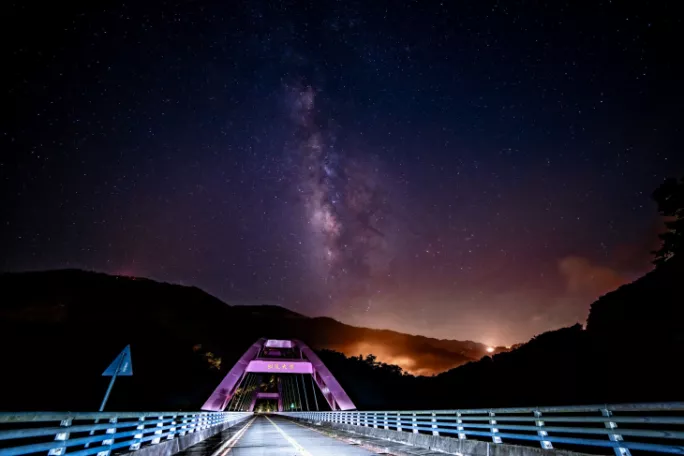
The architectural vernacular that appears on the bridge is lily of the valley and wrought iron patterns as a decorative device.
In 1908, to celebrate the opening of the railway line, the Xinsheng Bridge was built and was the first bridge on the Lu Chuan river. Now almost a century old, it is a memory of how the Lu Chuan River used to look. Cultural heritage workers found old photos of the river and saw that during the Japanese occupation, the tree-lined river went through the old central district of the city and become a lifeline for its development. However, with further development of the city, household waste and water pollution, the river was concreted over and became an unseen ditch.
== CHOU TING-CHANG, Water Resources Dept. Dir., Taichung City Govt.==
Next to the Lu Chuan River, there are some shops. They had their backs on the river as it smelt bad. Now we hope to turn them around to face the river.
The beautiful river has landscaped trails, with stone landscapes. This is the future of Taichung City, and the future of the Lu Chuan River waterfront corridor plan. The city intends to spend NT$280 million, and Shuangshi Road to Minchuan Road, for a length of 610 meters, which will be completed in 2018, so that the old urban areas in Taichung will become waterfront areas.
==TSAI CHENG-YUN cultural history worker==
For the old city area to become a focus we should find it's unique character and the ecological aspect is also very important.
Cultural heritage groups want to re-create the beautiful scenery of the waterfront, together with local culture, so that the Lu Chuan River and its cultural background continue, rather than just have large-scale urban construction.
TRANSLATED BY:CLARE LEAR
台中新站落成,也帶動台中市舊中區的改造工程。台中市府規劃,要將台中市中區的綠川,重新整治成水岸廊道。目前已經完成水源淨化、汙水截流工程,接下來將透過生態工法,讓綠川重現過去「小京都」的美名;而文史團體則認為,應該著重和當地文史的連結,而不是只是單純大興土木。
綠樹夾岸,底下潺潺水流間,還有鷺鷥水鳥悠遊,這是台中市難得一見得都市景象綠川,不僅串起老一輩人的歷史記憶,更是紀錄老中區的發展史。
==文史工作者 蔡承允==
透過鈴蘭這種植物
去製作這樣的建築語彙
鑄鐵雕花等等 這樣的建築語言
樣式 在這橋上 都可以看到
慶祝鐵路縱貫線開通而建的新盛橋,完工於1908年,是當時綠川的第一座橋梁,現在已經快一世紀,也紀錄綠川當出的模樣;文史工作者找出舊照片,日治時期,綠樹夾道的綠川流過台中市區,成為台中的命脈。隨著都市發展,家戶廢水造成汙染,綠川加蓋後,成了不見天日的臭水溝,台中市府打算整治綠川。
==水利局長 周廷彰==
(綠川)旁邊 有一些民眾的商店
原本屁股(店尾)是對著河川
因為很臭
現在我們希望 可以立面翻轉
美麗的河川,還有景觀步道,石頭造景穿梭其中,這是台中市未來的綠川水岸廊道計劃,市府打算花2.8億元,雙十路到民權路段,全長610公尺,將在2018年完工,讓台中舊市區成為水岸城市,民眾叫好,不過文史團體希望,能串起歷史連結。
==文史工作者 蔡承允==
要讓舊市區被看見的話
應該要能夠 找出她
最獨一無二的部分
當然 像生態上的考量
也非常重要
文史團體說,舊台中市區和綠川,有密不可分的歷史軌跡,希望打造水岸美麗景緻之外,還可以串起當地的人文,讓屬於台中的綠川人文,文化背景得以延續,而不是只是大規模的建設而已。
林健生 賴世杰 台中報導